
Leeham News and Analysis
There's more to real news than a news release.



Pratt & Whitney builds for the future while wrestling with the present
Subscription Required
By Bjorn Fehrm and Charlotte Bailey
 January 26, 2026, © Leeham News: Pratt & Whitney (PW) bet big on the geared turbofan to take it back to a sizeable position in the market's largest airliner segment, the Single-Aisle. It spent more than 20 years to develop the fan gearbox, including functional demonstrator engines that flew on Airbus test aircraft to prove the technology.
The effort was a success; the gearbox in the Pratt & Whitney range of Geared TurboFans, GTFs, has worked perfectly. It achieved what was promised, a low fuel consumption, and has been rock-solid in its function.
Yet PW’s GTFs have had a range of problems since their introduction in 2016. Bent main shafts, combustors that burn through, bearings that fail. And on top, a huge call-back of engines, as a contaminated power metal process has produced compressor and turbine discs that risk failing before their on-engine life expires. The situation has caused over 600 Airbus A320 and A321neos with GTF engines to be grounded for engine replacements, if and when replacement discs are available.
The issues, stemming from the “business as usual” parts of the GTF, have led to write-offs of billions of dollars for PW's mother RTX and to lost market share to the competing CFM LEAP engine on the Airbus A320/321neo series. But while this clouds the business of yesterday and today, Pratt & Whitney still has the clout to invest in the future. Being part of one of the World’s largest Defence and Aerospace Companies is an important part of the answer.
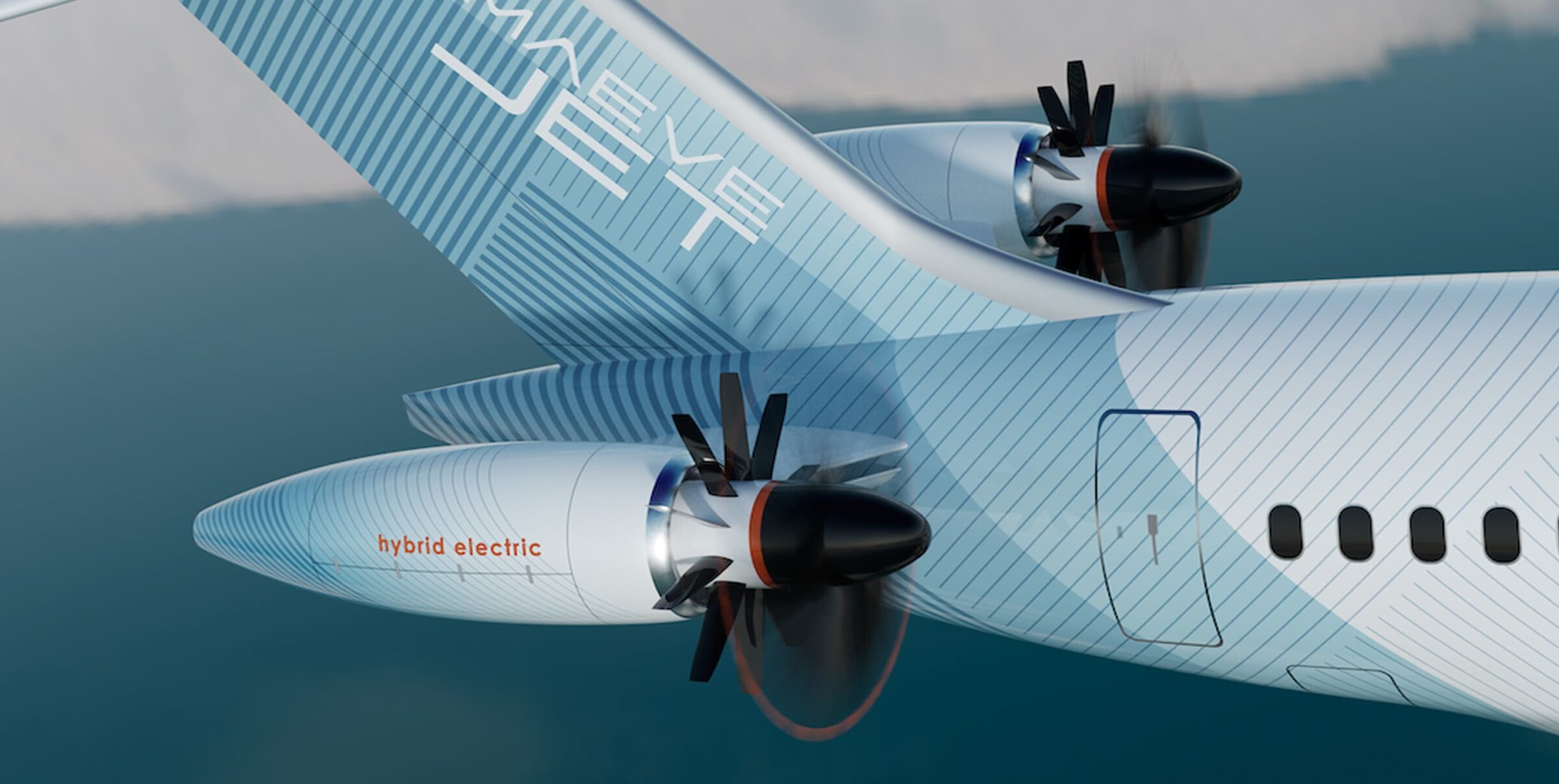
Figure 1. The Maeve MJ500 with the revolutionary Pratt & Whitney Canada Constant Volume Open Fan engine. Source: Maeve.
To read the rest of the article Login or Subscribe today.