
Leeham News and Analysis
There's more to real news than a news release.



Supply chain continues to bedevil Airbus, Boeing
Subscription Required
By Scott Hamilton
Dec. 8, 2025, © Leeham News: Supply chain difficulties continue to bedevil Airbus and Boeing deliveries this year.
Embraer also has had some impact from supply chain disruptions, but at a much lower rate.
November deliveries by Airbus and Boeing are lower than in September and October. Boeing delivered 53 and 55 aircraft, respectively—but only 42 in November.
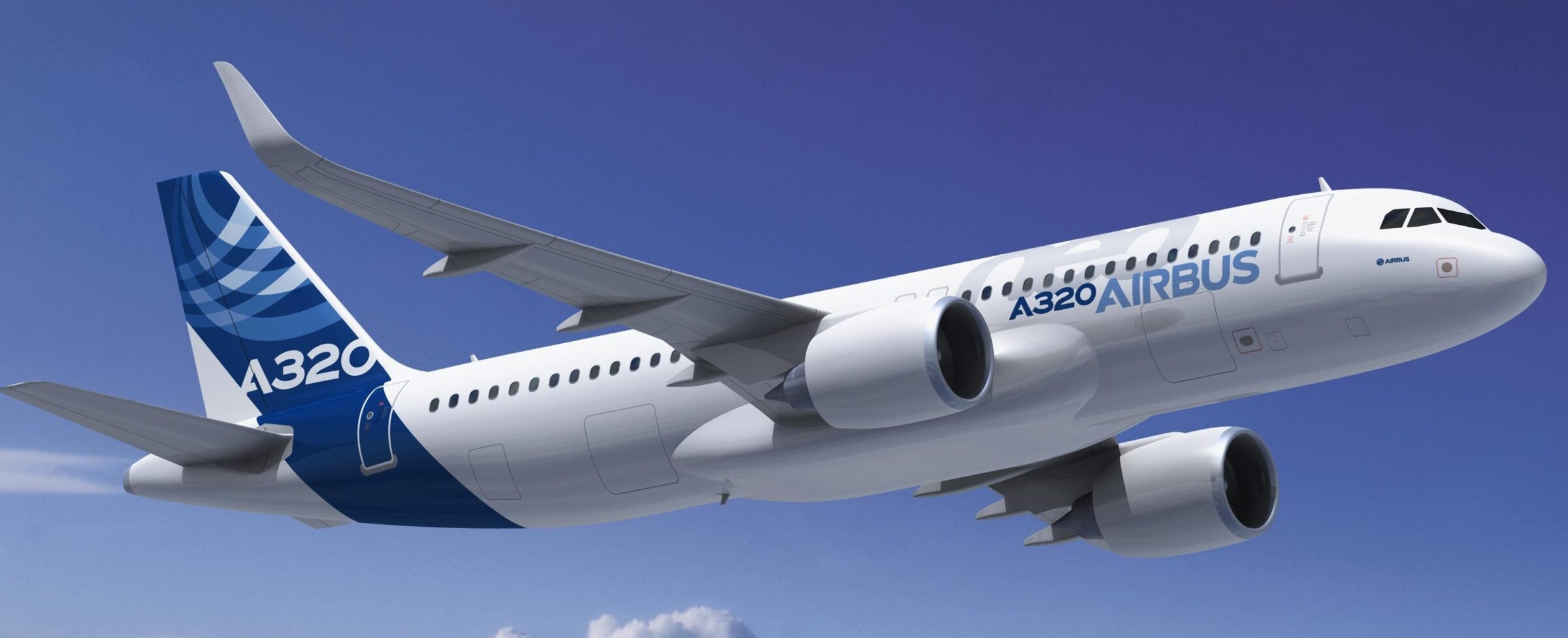
Airbus and Boeing are struggling to meet production goals because the supply chain still can't delivery parts and engines on time. In some cases, quality also is a factor. Photo Credit: Airbus.
Airbus delivered 78 aircraft in October and 73 in September. Defective panels delivered by a supplier, which Airbus did not identify, for the A320 family were discovered, impacting total November deliveries (72) and anticipated December deliveries. Airbus now expects to deliver 790 aircraft this year compared with its original guidance of 823. Airbus delivered 84 aircraft in November last year. Airbus needs to deliver 133 aircraft this month to meet its revised, lower goal.
In addition, delays in receiving interiors, mainly from Collins and Safran but also from others, caused Airbus and Boeing to delay widebody deliveries. Continuing shortages of engines from Pratt & Whitney and CFM (GE and Safran) for the GTF and LEAP impacted Airbus, Boeing and Embraer. PW continues to divert new production GTFs to AOG (Aircraft on Ground) A220s, A320s and E-Jets. A strike at GE interrupted CFM LEAP deliveries.
Airbus and Boeing want to increase production rates next year and in following years. The supply chain is the driving factor.
Aerospace analyst Ken Herbert from RBC Capital Markets raises some caution from the supply chain in his survey for the second half of 2025. In a report issued on Dec. 4, Herbert wrote, “Just when confidence in the aerospace OE outlook appears to have inflected, we get a reminder from Airbus (ELAC software, metal fuselage panel quality escape) that the industry is still dependent on a relatively fragile supply chain, and we believe the supply chain will remain part of the A&D narrative for the foreseeable future.”
To read the rest of the article Login or Subscribe today.