
Leeham News and Analysis
There's more to real news than a news release.



No FAA decision by May 1 on extending 777F Classic production
By Scott Hamilton
April 16, 2026, © Leeham News: Boeing won’t get a decision from the Federal Aviation Administration (FAA) by May 1 on its request to exempt the 777F Classic freighter from an international rule that means production must cease by Dec. 31, 2027.
Boeing filed the request on Dec. 19.
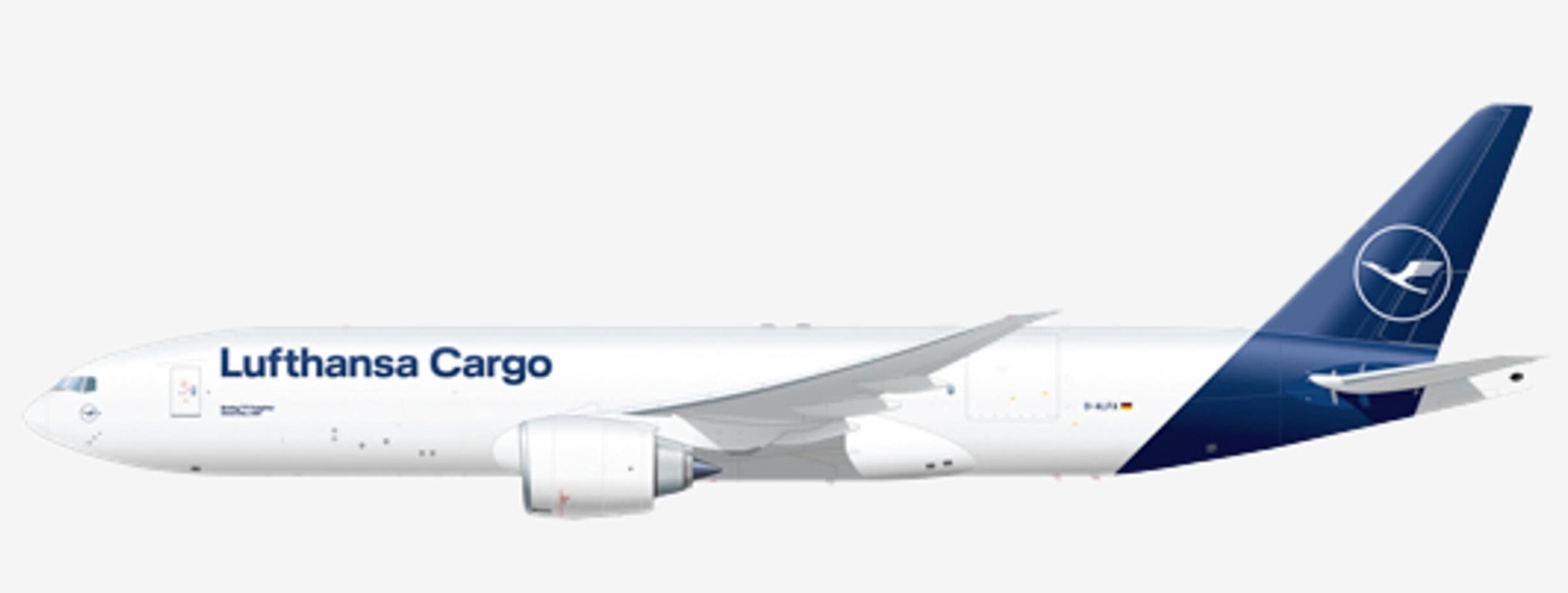
Boeing wants to extend production of its popular 777F Classic beyond Dec. 1, 2027, due to continued certification delays for the 777X program. It asked the FAA for an exemption from emissions rules to do so. Boeing asked for a decision by May 1. This isn’t going to happen. Credit: Lufthansa Cargo.
The FAA will publish a solicitation for public comment in the Federal Register tomorrow. The comment period deadline will be on or about May 7. There is no indication of how quickly the FAA will make a decision after that.
Boeing’s request for exemption
Boeing asked the FAA to issue an exemption by May 1 to allow production of 35 more 777Fs, powered by 1990s-era GE Aerospace GE90 engines, starting Jan. 1, 2028. These engines don’t meet the emissions and efficiency standards adopted by the International Civil Aviation Organization (ICAO) in 2017. The FAA and other global regulators ratified banning production of aircraft, including the 777F, that don’t meet the standards by the end of 2027.
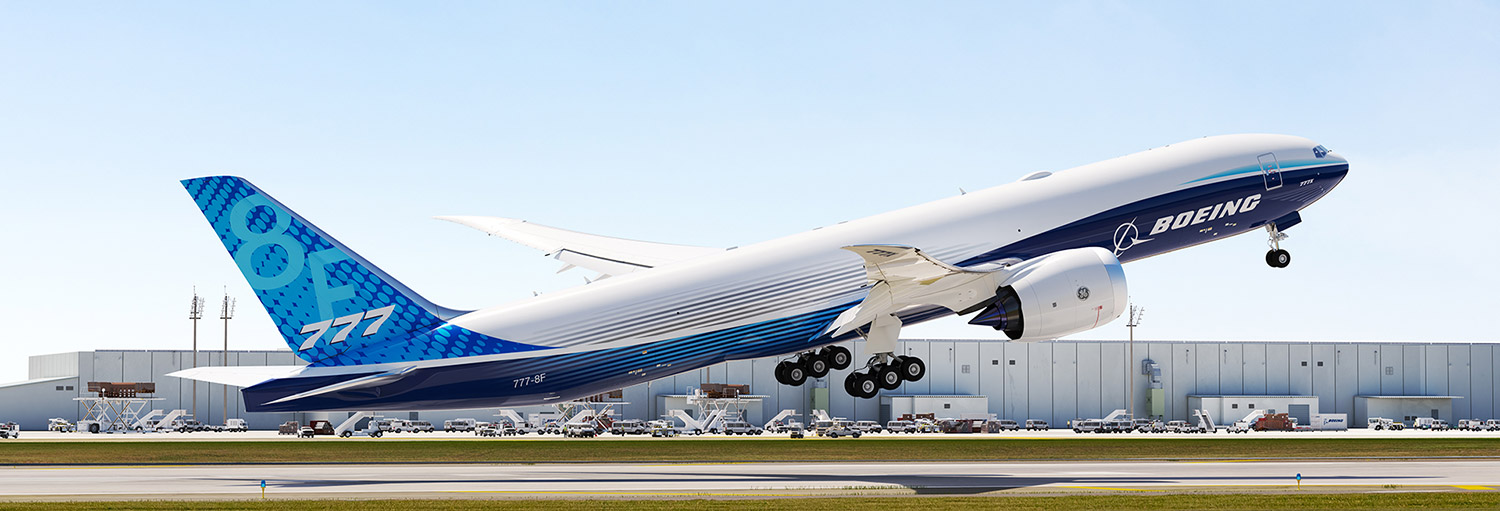
Entry into service of the Boeing 777-8F is now planned for 2029. Some customers want early production concentrated on the 777-9 passenger model, pushing back EIS of the freighter to 2030 or beyond. Credit: Boeing.
Boeing intended to have a new generation freighter, the 777-8F, with new engines, the GE9X, certified and ready for service in 2028. Certification of the 777X program has been delayed since 2019 due to various factors. Originally, the lead aircraft of the three-member family was supposed to enter service in January 2020, and perhaps a month earlier. This would have been followed in two years by the ultra-long-range (ULR) version, the 777-8. The freighter would have followed two years later.
But delays initially due to defects in the new, 110,000-lb-thrust engines revealed during testing, and then to the negative halo effect of the 2019, 21-month grounding of the 737 MAX, pushed back flight testing by years. The FAA revisited all its previous approvals, adding to delays. The two-year COVID pandemic, more flaws, and a molasses-like pace by the FAA have pushed certification back to a target of later this year.
Customers ask for focus on pax production
Delays in the passenger model prompted Boeing to re-sequence the 777X introduction. Now, the plan is for the -9’s entry into service next year. The freighter is to follow two years later, with the ULR model bringing up the rear.
However, because of the seven-year delay of entry into service of the -9 model, some customers want Boeing to concentrate all early production on the -9 and push the freighter’s EIS to 2030-31, LNA is told.
I wonder if Boeing will seek a waiver to extend 767F production, as well.
@Vincent: Boeing sought and received an exemption. Ortberg decided to terminate production this year due to lack of sales.
Thanks for the additional info.
Believe they previously requested and were granted one but ended production anyway.
A waiver is meaningless if you cannot sell your aircraft.
“A waiver is meaningless if you cannot sell your aircraft.”
Not entirely.
Receipt of a waiver allows issuance of a press release to talk up the stock price.
Living from one exemption to the next.
Even if an exemption is granted, the plane will be limited to service within the USA…so, it it worth it?
Atlas doesn’t seem to think so.
@Abalone: Atlas chose the A350F for reasons unrelated to anything you imply.