
Leeham News and Analysis
There's more to real news than a news release.


Bjorn’s Corner: Blended Wing Body Airliners. Part 4

By Bjorn Fehrm
April 3, 2026, ©. Leeham News: We have started a series of articles on the Blended Wing Body (BWB) as a potentially more efficient design for passenger-carrying airliners than the classical Tube And Wing (TAW) configuration.
In the third article last week, we saw that the large wing surface area of a Blended Wing Body does not come from cruise-phase requirements; it comes from the lift needed in the landing phase, where BWBs lack flaps to increase wing lift. It needs a large wing area to compensate.
Now we will see that the wingspan does not come from cruise requirements, but from takeoff requirements.
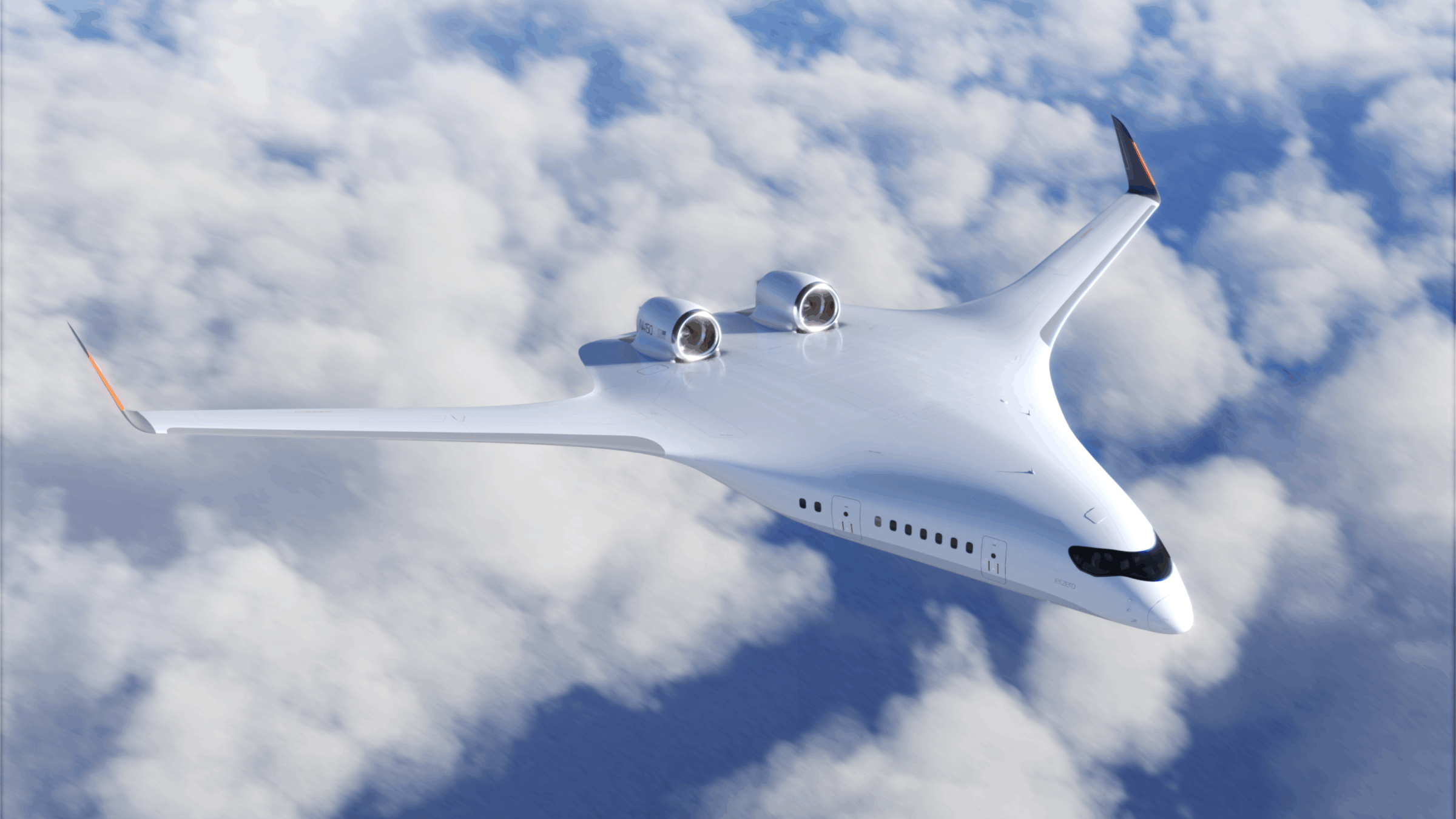
Figure 1. The JetZero Z4 BWB. Source: JetZero.
Bjorn’s Corner: The Blended Wing Body, BWB, Airliner. Part 1.
By Bjorn Fehrm
March 13, 2026, ©. Leeham News: The flying wing has been researched for almost 100 years. During the Second World War, the Horten Brothers developed as flying wing military aircraft in Germany with mixed success. The Northrop company then flew several flying wing prototypes after the war, finding these to have severe stability issues at higher angles of attack.
With the advent of Fly-By-Wire, this could be mastered, and the flying wing’s inherent low radar cross-section is used in the B-2 and B-21 US Air Force bombers.
A flying wing is not suitable for use as an air transport passenger aircraft, as passengers would feel as if they were being transported in a coffin within the wing. An evolution of the flying wing is the Blended Wing Body (BWB, Figure 1), which moves the center section forward to form a blended fuselage that houses the payload.
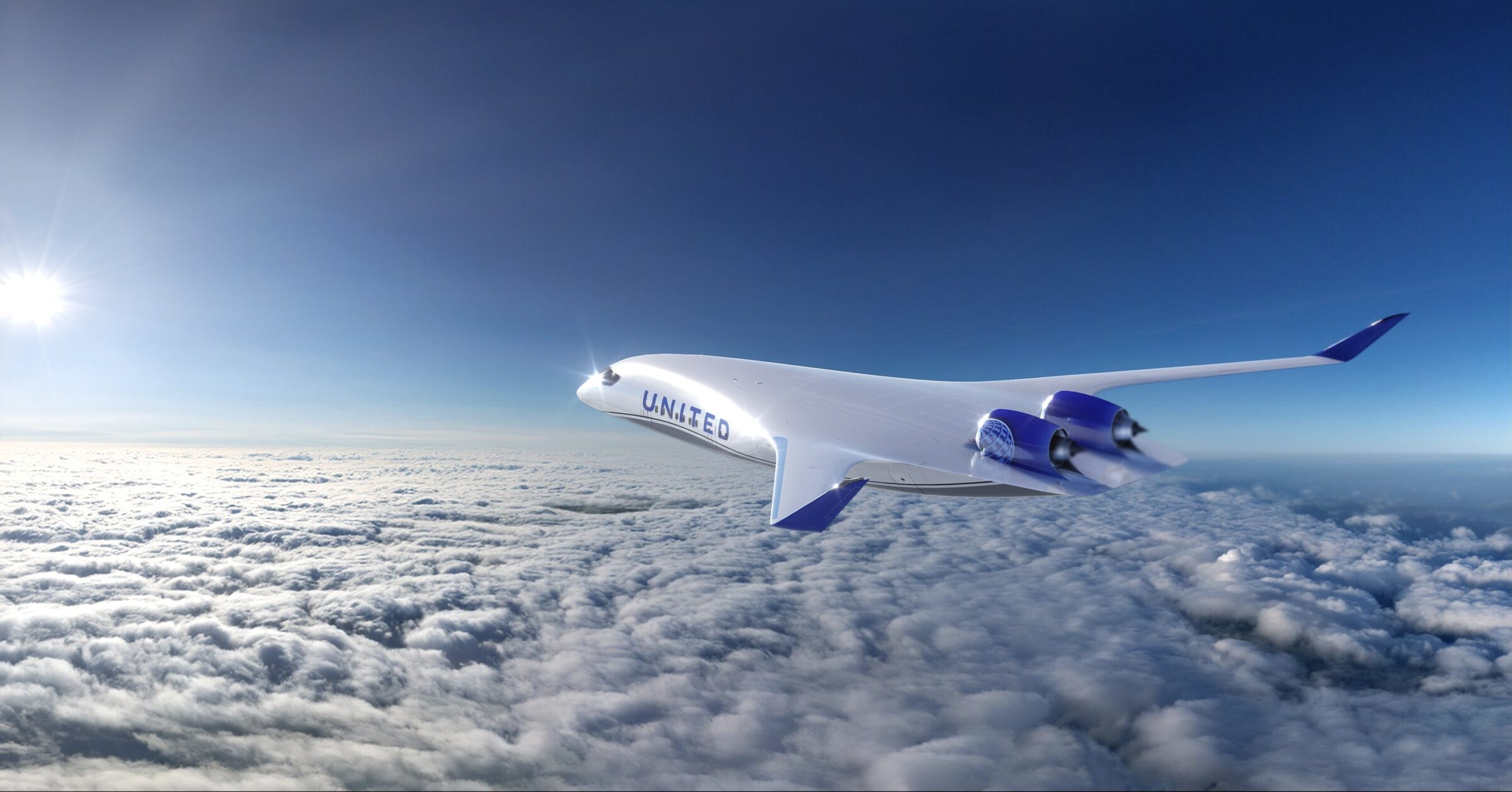
Figure 1. The JetZero Z4 BWB in United’s colors. Source: JetZero.
As the search for lower fuel consumption and emissions intensified, the search for a more efficient way to transport passengers has led to increased interest in the BWB concept since the early 1990s, primarily from NASA and the US aircraft industry.
The proliferation of composite primary structures since 2000 has helped address the structural problems of a BWB. This has created a renewed interest in BWBs, both for military and commercial applications.