
Leeham News and Analysis
There's more to real news than a news release.


Bjorn’s Corner: Blended Wing Body Airliners. Part 7

By Bjorn Fehrm
April 24, 2026, ©. Leeham News: We are making a series of articles on the Blended Wing Body (BWB) as a potentially more efficient design for passenger-carrying airliners than the classical Tube-And-Wing (TAW) configuration.
In the sixth article last week, we discussed how the drag characteristics of the BWB and a high optimal cruise altitude have consequences for the choice of engines. The thrust lapse due to altitude is higher than for Tube-And-Wing aircraft that fly about 10,000ft lower. The JetZero Z4, therefore, needs engines adapted for high climbs and cruise conditions.
This requires engines with higher specific thrust, which means lower Bypass Ratios (BPRs). This runs counter to the development trend of modern engines, which reduce specific thrust in each generation to improve propulsive efficiency and thus lower fuel burn.
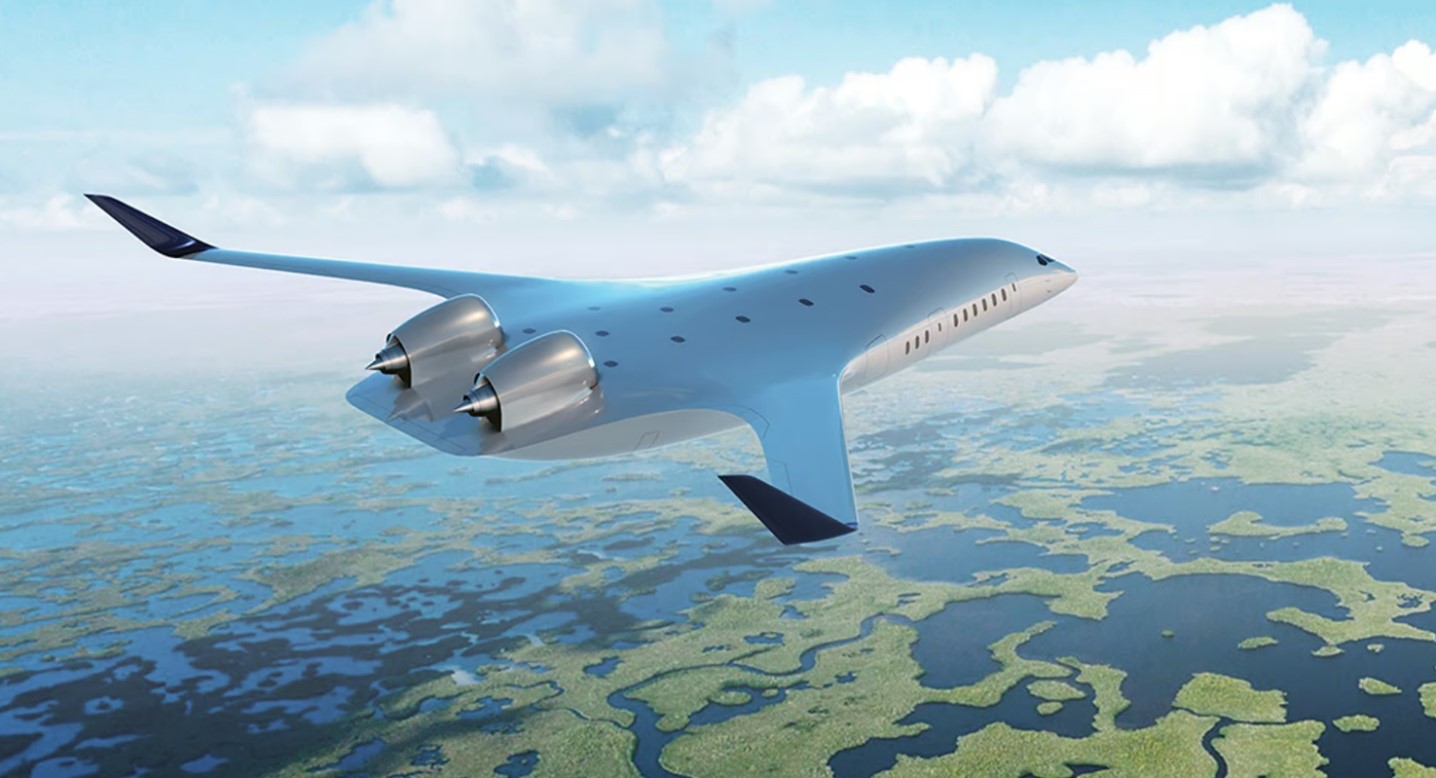
Figure 1. The JetZero Z4 BWB. Source: JetZero.
Now we look at the challenges in the structure domain for a BWB. At first glance, it should be a lighter structure than a Tube-And-Wing aircraft, as it does away with the fuselage and empennage. In reality, it’s more complicated than that.
Bjorn’s Corner: Blended Wing Body Airliners. Part 6
By Bjorn Fehrm
April 17, 2026, ©. Leeham News: We have started a series of articles on the Blended Wing Body (BWB) as a potentially more efficient design for passenger-carrying airliners than the classical Tube-And-Wing (TAW) configuration.
In the fifth article last week, we discussed how the drag characteristics of the BWB are different from a classical Tube-And-Wing airliner. The dominance of air-friction drag over induced drag results in a 10,000ft higher optimal cruise altitude compared with an equal-capacity TAW.
We compared JetZero’s Z4 project to a 250-seat variant of Boeing’s NMA that we have analyzed several times with our Aircraft Performance and Cost Model, APCM. Both aircraft use modern composite structures, aerodynamics, and systems, resulting in similar overall weights and drag.
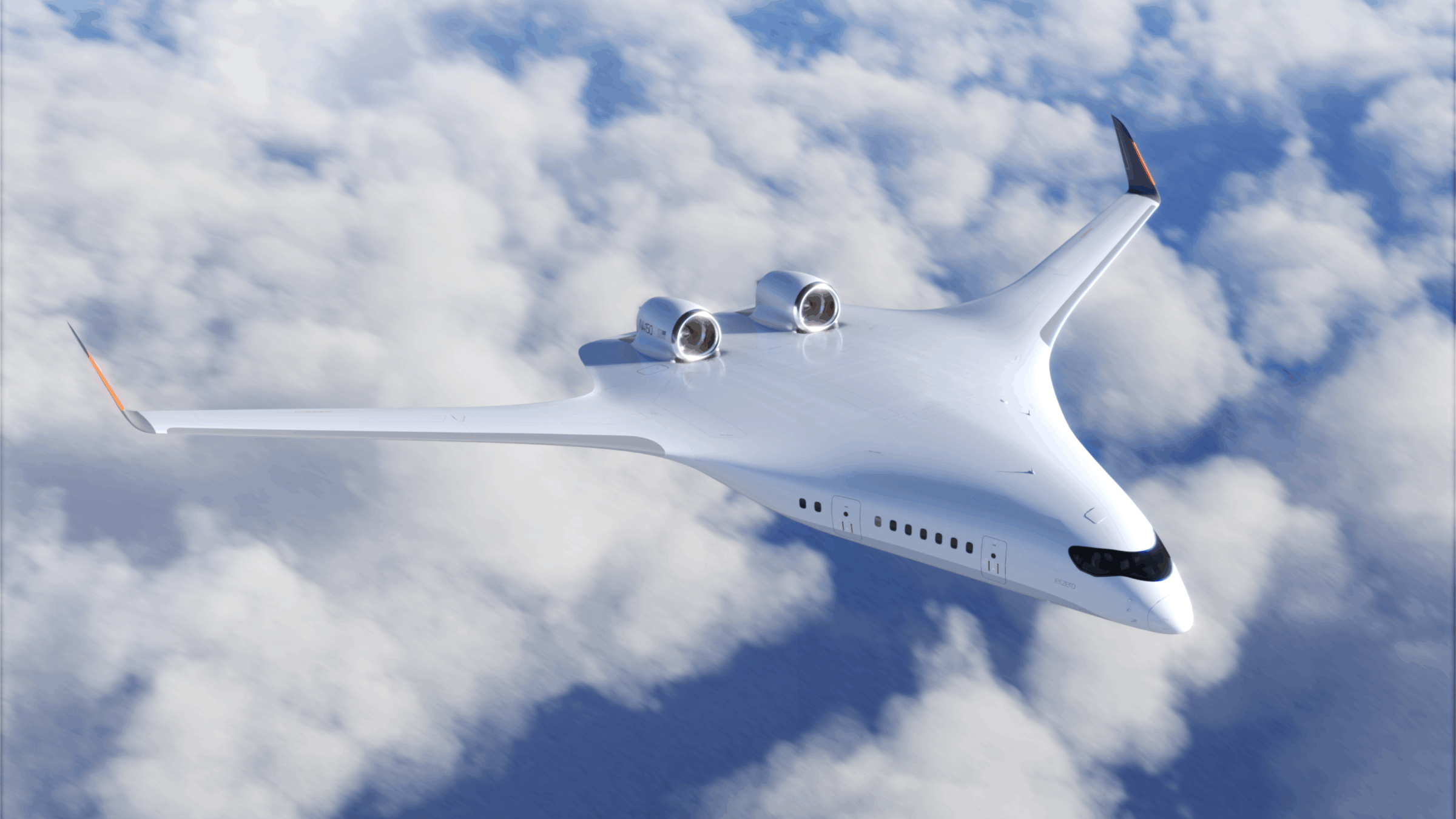
Figure 1. The JetZero Z4 BWB. Source: JetZero.
The difference is how the drag is partitioned between the wetted area caused drag (air friction drag) and drag due to weight (induced drag). The difference between drag and optimal cruise altitudes has consequences for engine choice. Here is how.
Bjorn’s Corner: Blended Wing Body Airliners. Part 5
By Bjorn Fehrm
April 10, 2026, ©. Leeham News: We have started a series of articles on the Blended Wing Body (BWB) as a potentially more efficient design for passenger-carrying airliners than the classical Tube-And-Wing (TAW) configuration.
In last week’s article, we discussed how the wingspan is an important factor in an airliner’s takeoff performance. The induced drag is about 85-90% of the drag at the critical V2 point after rotation, where regulations require that a twin-engined airliner be able to fly on one engine with a climb rate of 2.4%.
We now go through the entire mission for a BWB airliner and compare its drag characteristics with those of a classical Tube-And-Wing (TAW) design.
Figure 1. The JetZero Z4 BWB. Source: JetZero.