
Leeham News and Analysis
There's more to real news than a news release.


Outlook 2026: The state of the major eVTOL projects
Subscription Required
Now open to all readers.
By Bjorn Fehrm
February 9, 2026, © Leeham News: The eVTOL market saw a sobering 2025 after two of its high flyers, Lilium and Volocopter, both ceased operations in 2024. The remains of Volocopter were bought by Diamond Aircraft, which now markets a stripped-down VoloCity as a Light Sports eVTOL.
Further players ceased in 2025, with Hyundai’s Supernal halting further development, as did Airbus with its CityAirbus. Textron halted Nexus development, then shuttered the division, and Overair ceased operations after Hanwa stopped investing.
 We have one VTOL that received local Chinese Type Certification in 2023, and one in 2024. EHang got the Type Certificate in 2023, Production Certificate in 2024, and Air Operator Certificate (AOC) in 2025. The drone multicopter looking Ehang EH216-S (Figure 1) was cleared to operate tourist flights in China. The other Chinese project was AutoFlight’s Prosperity five-seater, which achieved Chinese Type Certification in 2024.
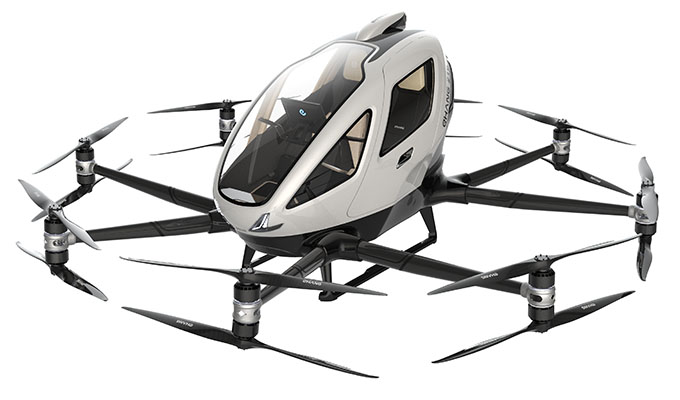
Figure 1. The only certified eVTOL, the EHang EH216-S. Source: EHang.
The almost euphoric enthusiasm over eVTOLs that existed before COVID, where car manufacturers got involved as this could be the thing that took over personal transport for crowded cities, has now calmed down, as the operational use of the current generation of eVTOLs is 10 to 15-minute missions in fair weather, replacing helicopter services from the airport to the city centre.
The original story was different as early developers like Joby Aviation painted with a broad brush. There were statements about 150nm trips, 200 kts speeds, and unbeatable economics, with batteries that lasted 10,000 flights. What investors and pundits didn’t understand was that these were unrelated statements about physical limits: there was no AND between them.
Bjorn’s Corner: Air Transport’s route to 2050. Part 5.

By Bjorn Fehrm
January 17, 2025, ©. Leeham News: We do a Corner series about the state of developments to replace or improve hydrocarbon propulsion concepts for Air Transport. We try to understand why the development has been slow.
We have covered why the technical progress of battery-based aircraft has been slow. Now we look at what type of missions it can do this decade and beyond and why the limitations.
Figure 1. The Diamond eDA40 electric trainer. Source: Diamond. Read more
Bjorn’s Corner: Air Transport’s route to 2050. Part 4.
By Bjorn Fehrm
January 10, 2025, ©. Leeham News: We do a Corner series about the state of developments to replace or improve hydrocarbon propulsion concepts for Air Transport. We try to understand why the development has been slow.
We listed the different projects in the second Corner of the series that have come as far as flying a functional model or prototype. In Part 3, we went through some of the causes of the slow growth. It was a mix of inexperienced startup managments, all wanting to be the new Elon Musk but lacking elementary knowledge in the aeronautical field, to what is the real hard part of an alternative propulsion concept.
Many startups developed new electric motors for eAirplane or eVTOL use, a relatively straightforward development when the real hard part is the batteries. We described how batteries differ significantly from fuel as an energy source in Part 3.
Now, we add a market aspect that is poorly understood by most players.
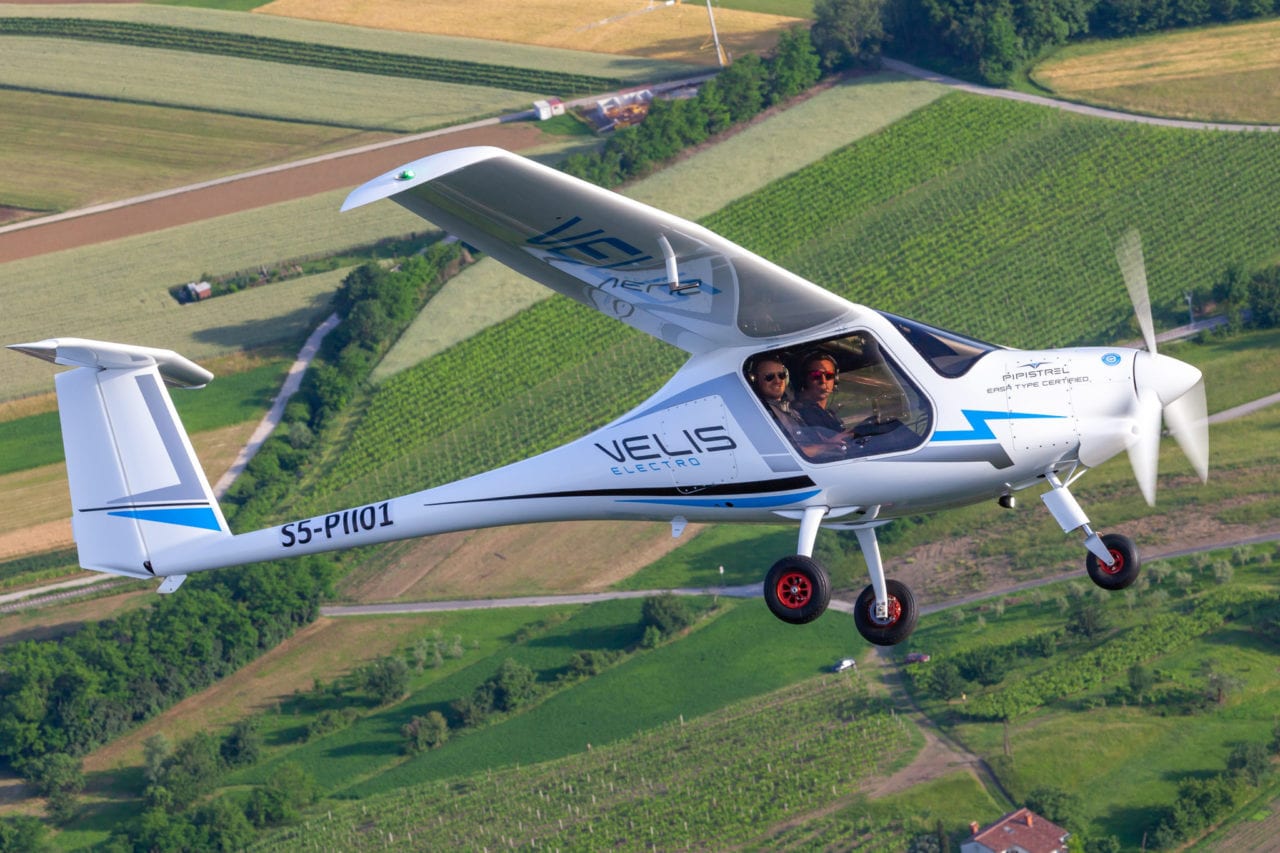
Figure 1. The Pipistrel Velis Electro trainer. Source: Pipistrel.
eVTOL operator profitability: an elusive dream?
Subscription Required
By Judson Rollins
Sept. 25, 2023, © Leeham News: As the hype grows around electric-powered short-haul air mobility, questions linger around the industry’s ability to be profitable without government subsidy.
LNA’s Bjorn Fehrm has written extensively on the cost hurdles facing eVTOL operators. His analysis predicted operating costs of approximately $2.14 per seat-mile, significantly higher than startup Lilium’s 2021 estimate of $1.75. But even the latter is a high bar to clear, as this article will show.

Source: Lilium.
Other startups have been pitching business plans with even lower unit costs. But, as aviation consultant Kevin Michaels pointed out last year, such plans often rely on impossibly high assumptions of load factors and/or utilization.
For instance, Lilium’s cost projections are predicated on 10 hours of average daily utilization. By comparison, US DOT data from 2019 show turboprop utilization averages 7.3 hours, small regional jets average 6.2 hours, and large regional jets average 9.4 hours.
Summary
- Helicopter services demonstrate the difficulty of making urban air mobility profitable.
- Comparing eVTOL costs to potential revenue highlights a lack of markets.
- Market forces will allocate scarce pilots to where they generate the most revenue.
The reality behind the eVTOL industry’s hyperbole, Part 5.
Subscription required
By Bjorn Fehrm
August 10, 2023, © Leeham News: We look at the promises that the VTOL industry has made in their Investor prospects and what the reality is as they come closer to Certification and production.
After looking at claims of range and utility, we now look at the operating economics. We go through the different cost factors for a VTOL, add them up, and compare them with the industries’ projections.
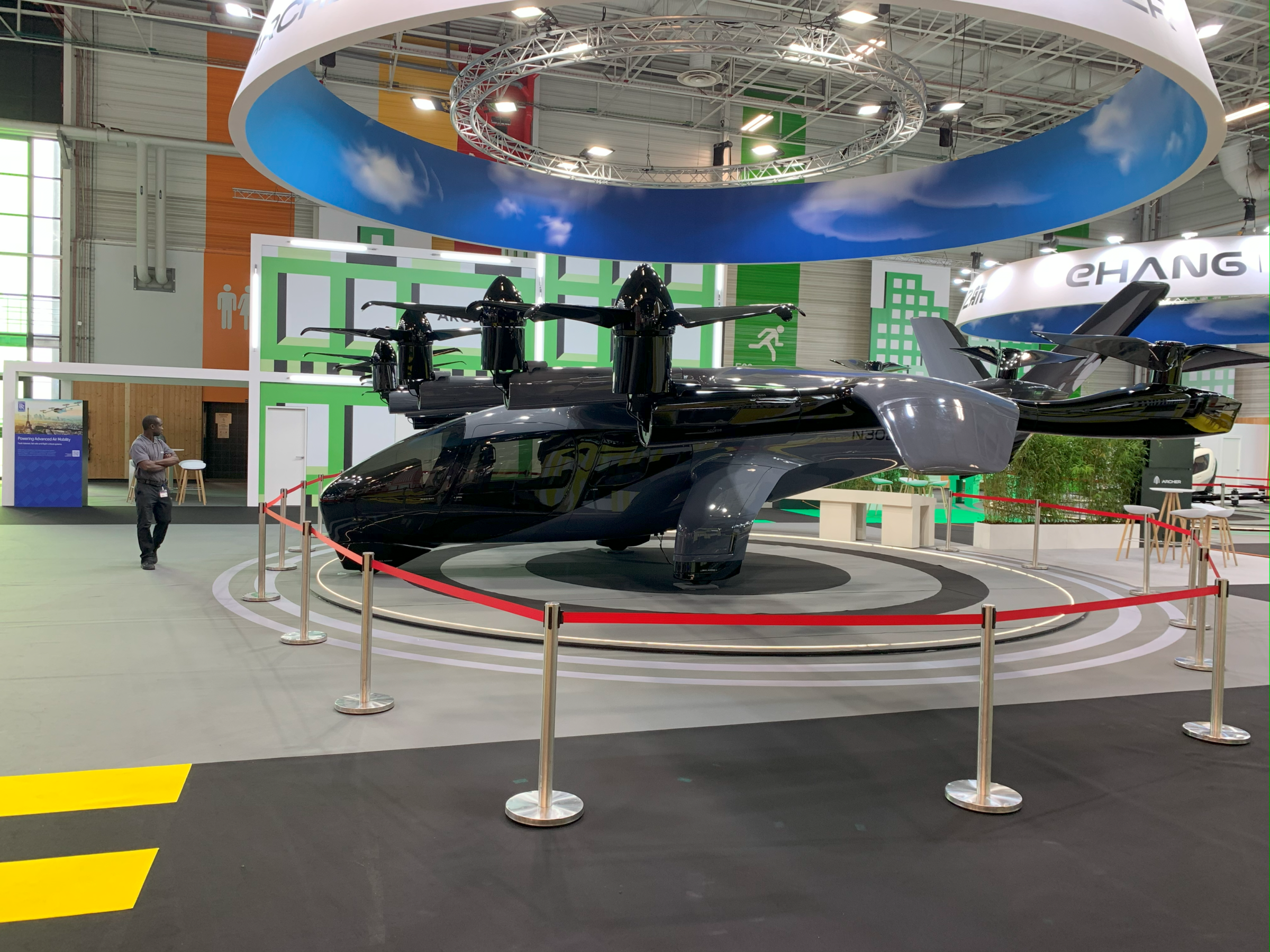
Figure 1. The Archer Aviation Midnight VTOL mockup at the Paris Air show. Source: Leeham Co.
Summary:
· The VTOL OEMs state their economics for 10-minute shuttle flights while claiming the VTOL can also fly flights four times longer.
· Yes, the VTOLs can indeed fly these longer flights, but then the economics fall apart.
The reality behind the eVTOL industry’s hyperbole, Part 3.
Subscription required
By Bjorn Fehrm
July 27, 2023, © Leeham News: We look at the promises that the VTOL industry has made in their Investor prospects and what the reality is as they come closer to Certification and present their production-level prototypes. We also analyze whether these capabilities will be the final level.
Today we go through the trickiest part of any electric aircraft or eVTOL, the batteries. They are large, very heavy, and the most difficult part to certify on the aircraft, as the battery is dangerous if not designed, produced, and managed correctly.
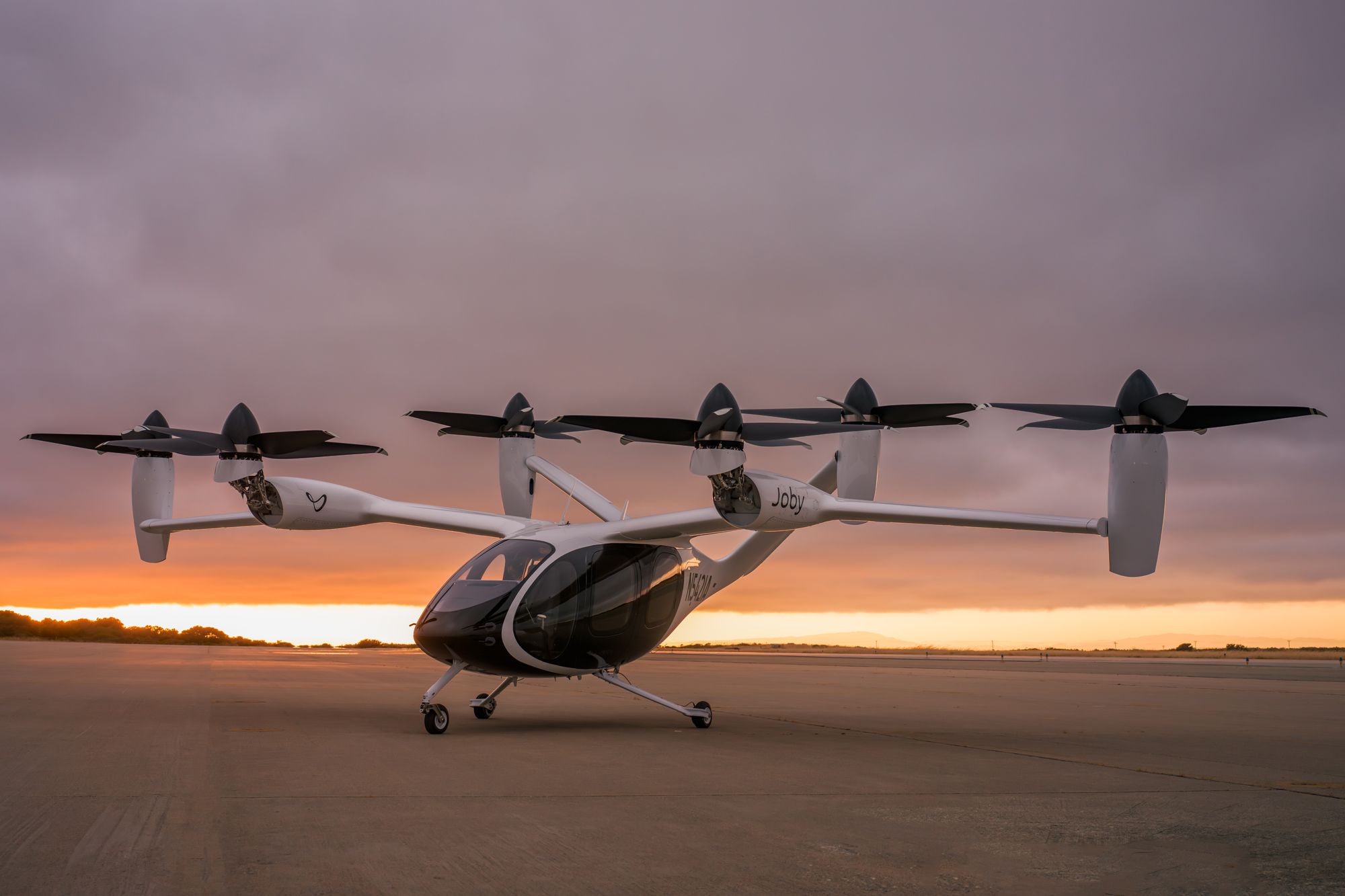
Figure 1. The Joby Aviation S4 production prototype. Source: Joby Aviation.
Summary:
- The battery system of an eVTOL sets restrictions on the operational usefulness of the category.
- The everyday operational utility of VTOLs is far from the industries’ claims.
The reality behind the eVTOL industry’s hyperbole, Part 2.
Subscription required
By Bjorn Fehrm
July 20, 2023, © Leeham News: We look at the promises that VTOL OEMs made in their Investor prospects and the scale-down in capabilities as Certification comes closer. We also analyze whether the reduced capabilities will be the final cuts.
In the end, it’s about how operationally useful real-world eVTOL will be and what mission they do better or cheaper than helicopters. It will decide whether the category will have a breakthrough or not.
Figure 1. The Joby Aviation S4 production prototype. Source: Joby Aviation.
Summary:
- The Investor’s presentations from eVTOL OEMs are full of “up to” for speeds and feeds.
- When we use our aircraft and eVTOL performance model, the reality is well short of the claims.
The reality behind the eVTOL industry’s hyperbole
Subscription required
By Bjorn Fehrm
July 13, 2023, © Leeham News: We have done a deep dive series on the cost problems experienced by small airliners and how these make life difficult for alternative propulsion projects.
The eVTOL industry also faces problems, but here it’s more its own overinflated promises that rub. It’s the subject of our next deep dive.
We look at what the top OEMs promised in the past and what the reality is as they come closer to Certification.
When it comes down to it, what missions can be flown and what cannot? Are the missions that can be flown enabling a new industry?
Figure 1. The Joby production prototype as presented on 28th June. Source: Joby Aviation.
Summary:
- Investor prospects promised Total Available Markets (TAMs) as large as $500billion with flights at up to 200 miles per hour to destinations hundreds of miles away
- The reality is more profane. None of these promises hold water.
The production cost trap for eVTOL upstarts
Subscription required
By Bjorn Fehrm
April 13, 2023, © Leeham News: Last week, we gave the example of a new propulsion principle 30-seat airliner as a project that would face the liquidity strain of initial production costs. We continue today with a look at the leading eVTOL projects, where development costs are passing $1bn and growing.
What will be the cash burn before these projects generate positive cash flow from serial production sales and services? We use our production cost model to analyze the situation.
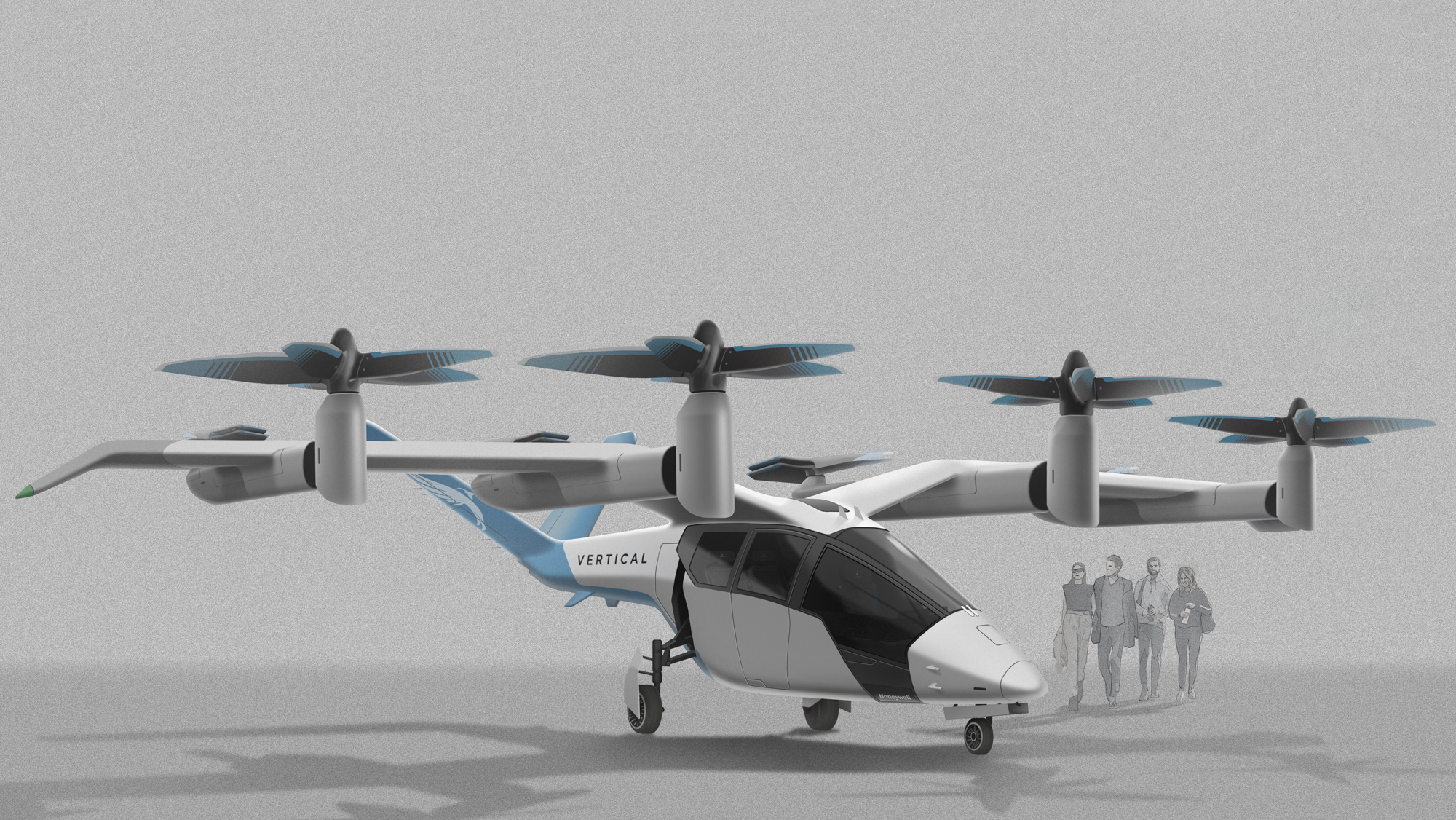
Figure 1. Our generic eVTOL uses an early rendering of the Vertical VX4 as an illustration. Source: Vertical Aerospace.
Summary:
- VTOL projects promise early payback of invested capital.
- Our production cost model says otherwise.
2023 outlook for Sustainable Aviation
Subscription required
By Bjorn Fehrm
Jan. 16, 2023, © Leeham News: In the years from 2015, Sustainable Aviation awareness has grown from “something interesting, but will it be needed?” to “how do we fix the environmental issues we have fast enough.” Scientists saw what happened 20 years ago, but the general public didn’t react until it affected everyday life.
The development of more Sustainable Aviation solutions has taken a similar route. Until 2015 the changes to morph aviation into a more sustainable path were a scientific discussion. At Le Bourget Air Show 2015, Airbus presented the E-Fan (Figure 1) that would cross the English Channel the following month. It started an intense debate about sustainable propulsion concepts for aircraft.
Eight years later, where are we today, and what will happen in 2023?
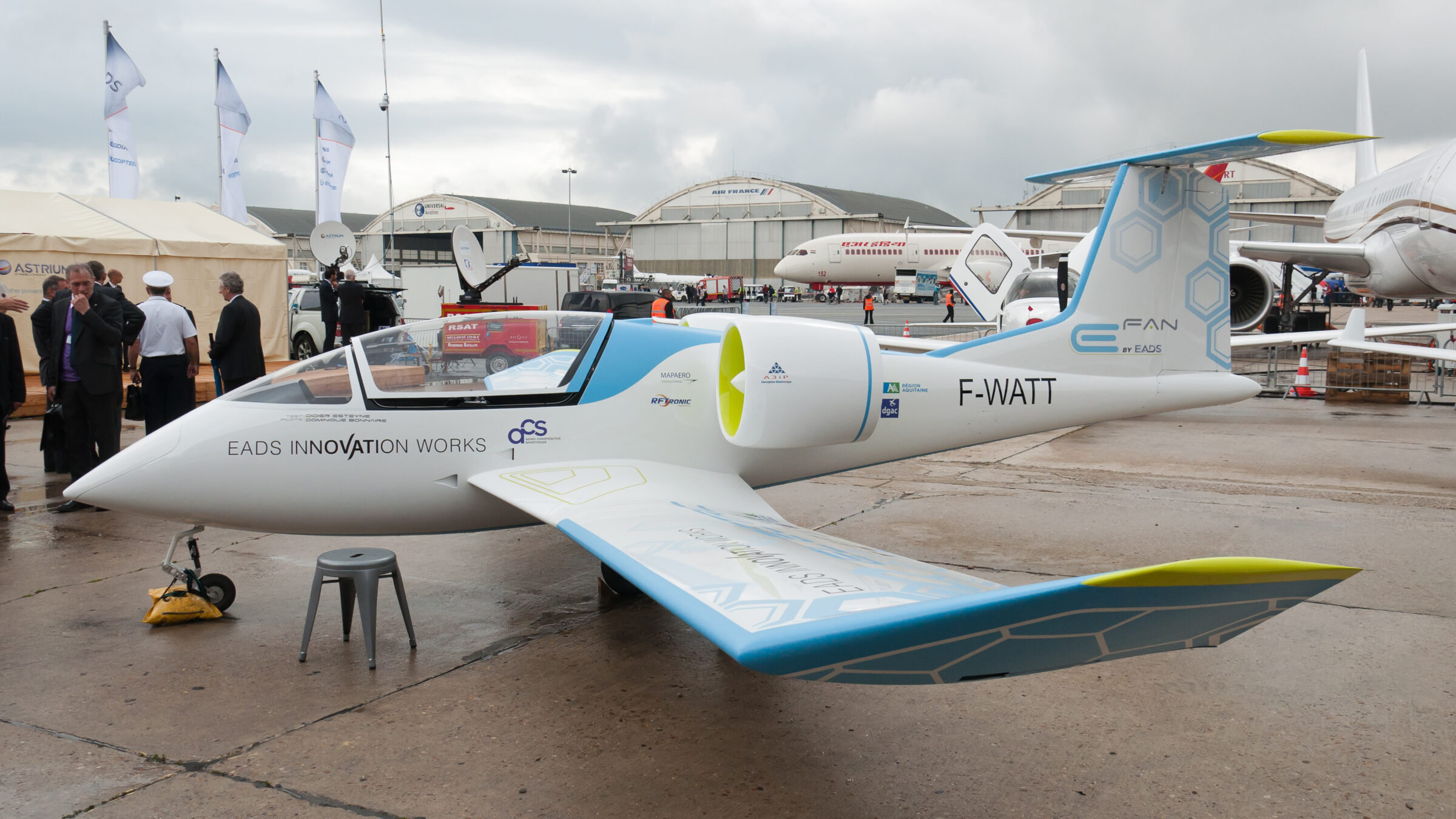
Figure 1. Airbus E-Fan at the 2015 Le Bourget Air Show. Source: Wikipedia.
Summary:
- The year will witness the “separation of the wheat from the chaff.” Viable concepts will prove themselves, and thin concepts, technically or funding-wise, will fail.
- We have a number of first flights from interesting projects. Several are in the “wheat” category.