
Leeham News and Analysis
There's more to real news than a news release.



What costs dominate an airliner’s operation?
By Bjorn Fehrm
Subscription Required
Introduction
September 6, 2018, © Leeham News.: Last month we put the question if rising fuel prices will revitalize new aircraft sales. We now continue the analysis of an airliner’s costs by looking at other parts of the cost equation.
Is fuel the dominant operational cost also in the future? What’s the difference in the different costs between a legacy carrier and an LCC? We use our aircraft cost model to gain more insights.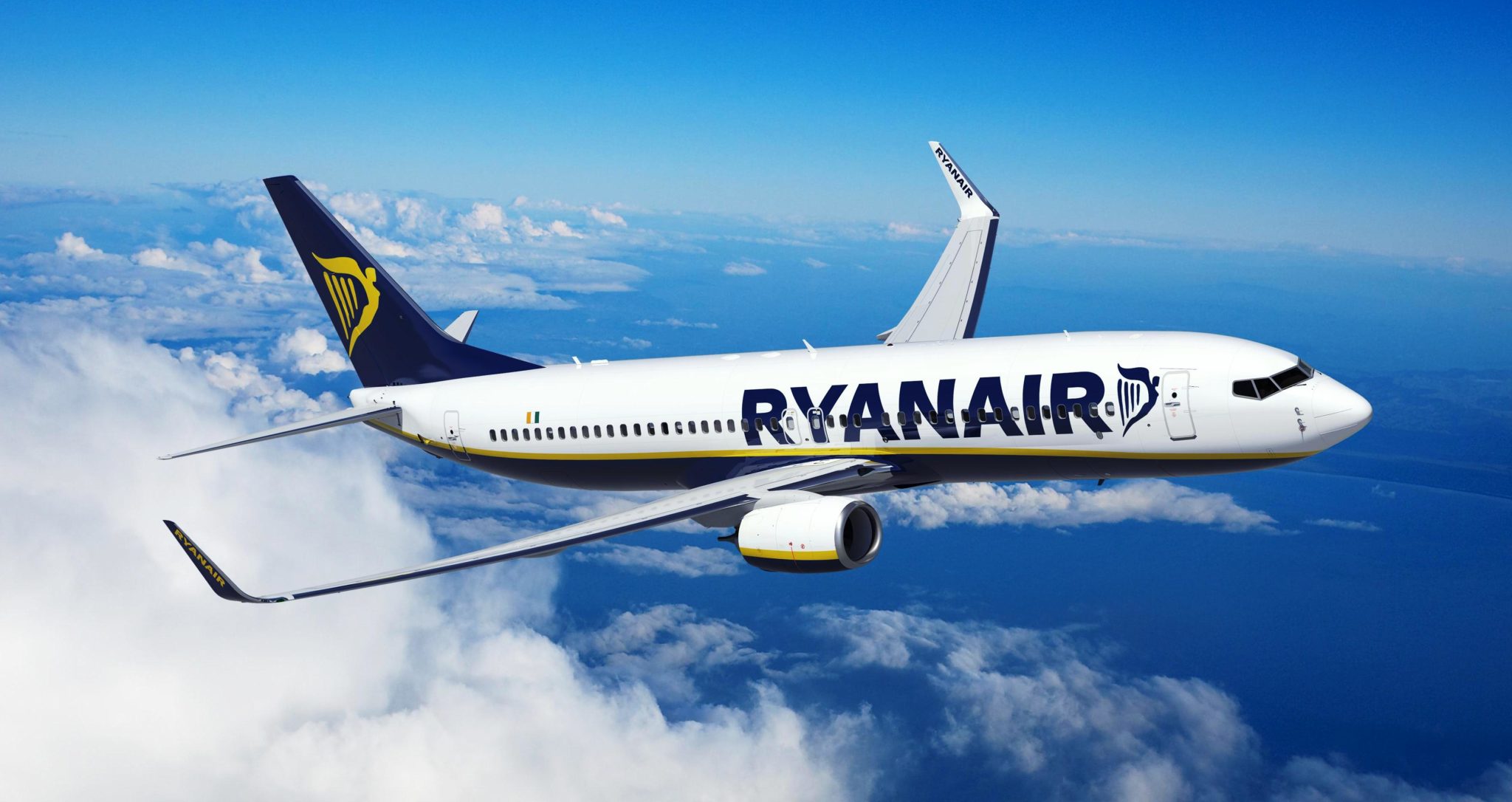
Summary:
- To compare costs for an airliner’s operation we must distinguish between carrier types and geographies
- While keeping the modelling relatively simple, it will be possible to single out the cost drivers beside fuel and understand their importance
Pontifications: Supply chain melt down to get worse, says manufacturer

By Scott Hamilton
Sept. 3, 2018, © Leeham News: There is more evidence the aerospace supply chain is in meltdown—and it’s going to get worse, a manufacturer tells LNC.
The OEM requested anonymity to speak frankly.
As aerospace analysts gather this week in Seattle for their annual investors day at Boeing, based on the research notes I see, there’s little indication they recognize the magnitude of the evolving problems with the supply chain.
Although the focus recently has been on Boeing and analysts will visit Boeing Wednesday, the issues affect all the OEMs.
I wrote about this 30 days ago. Since then, another Boeing supplier last month acknowledged late deliveries of key parts, reports the Puget Sound Business Journal.
This was followed by a Bloomberg report that Lufthansa Airlines continues to have shortages from Pratt & Whitney for the GTF engines powering the A320neo.
Since then, I’ve had my own additional conversations with the supply chain. The production ramp ups that already have been announced and those being contemplated are in peril and all manufacturers are being affected.
Suppliers chafe at Boeing’s demand for costly certifications
Subscription Required
Introduction
danieljcatchpole(at)gmail(dot)com
September 3, 2018, © Leeham News: Boeing’s insistence that more and more subcontractors meet stringent  aerospace manufacturing standards risks adding cost and reducing flexibility to the supply chain, several direct and indirect Boeing suppliers tell LNC.
The aerospace giant is requiring more second and third tier suppliers have AS9100 certification. Until recent years, OEMs and their direct suppliers typically were the only companies that formally complied with AS9100.
Subcontractors were expected to conform to the standards, but did not have to formally comply with the requirements. Doing so is expensive and time consuming. Subcontractors’ work was covered by the Tier 1 suppliers’ or Boeing’s AS9100 certification.
The AS9100 standards were adopted in the late 1990s to improve and standardize quality management throughout the increasingly global aerospace industry.
Summary
- Boeing pushing more subcontractors to be AS9100 certified, according to suppliers.
- That risks adding cost and reducing flexibility in supply chain.
- Some suppliers worry it’s a prelude to more cost cutting.
Bjorn’s Corner: Supersonic transport revival, Part 4

By Bjorn Fehrm
August 31, 2018, ©. Leeham News: In the last Corner we discussed supersonic lift wave drag and how suddenly the length aspect ratio is more important than wingspan aspect ratio.
Now we talk about the problem of going from subsonic to supersonic flight.
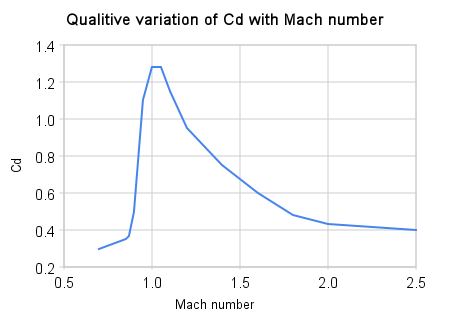
Figure 1. The Supersonic drag hump. Source: Wikipedia.
The Muddle of the Market aircraft (No, this isn’t a typo)
Subscription Required
Introduction
Aug. 30, 2018, © Leeham News: As time goes by, the Middle of the Market airplane appears to have  become the Muddle of the Market.
Boeing can’t seem to close the business case on its Middle of the Market airplane, the New Midmarket Aircraft, or NMA.
And Airbus continues to stir the pot with talk of an A321XLR and the ever-present A321neo Plus.
Summary
- Boeing’s been talking about the MOM for six years—an extraordinarily long time.
- The aircraft evolved from a 757 replacement to a 767 replacement—something the 787 was billed to be.
- The business case remains unclear.
- The Airplane definition is still a matter of debate.
- The MOM was defined by Boeing as above the 737-9 and below the 787-8—but now there’s the 737-10 at the small end, for capacity, and renewed interest in the 787-8 at the upper end.
- Airbus is pushing the A321LR and nearing a decision whether to proceed with the A321XLR.
- Engine makers remain cool to the NMA.
- The supply chain is unenthused about the NMA because Boeing wants to capture the aftermarket and hold the intellectual property rights.
- The supply chain is in melt-down.
Other than this, everything is fine.
Pontifications: Boeing aid to Jet Airways uncommon but not unusual
By Scott Hamilton
Aug. 27, 2018, © Leeham News: Boeing is giving financial help to India’s Jet Airways, according to a news report.
This doesn’t come as a surprise.
Jet Airways has 225 737 MAXes on order (50 direct, the rest listed via lessors). It’s also in what appears to be dire financial straits.
Media reports indicated the airline was possibly going to be out of business in 60 days and it deferred releasing its financial results “indefinitely.” The government is going to probe the airline, according to a press report.
The Boeing aid is not common but it’s not unknown, either.
Additive manufacturing: Huge potential, big barriers
Subscription Required
Introduction
Part 1 appears here.
By Dan Catchpole
August 27, 2018, © Leeham News: For all its potential, additive manufacturing faces significant hurdles before it can deliver on advocates’ assertions that the technology will revolutionize the aerospace industry.
 United Technologies is counting on additive manufacturing, often called 3D printing, to help it develop and produce new components faster, better and cheaper. Paula Hay is leading the expansion of additive manufacturing at United Technologies Aerospace Systems (UTAS). In part two to last week’s interview with Hay, LNC talks to her about what problems have to be solved for additive manufacturing (AM) to make good on its potential.
Summary
- Need more consistent materials and equipment.
- OEMs and regulators have to develop AM standards.
- Design culture has to evolve to reflect AM capabilities.
Bjorn’s Corner: Supersonic transport revival, Part 3
By Bjorn Fehrm
August 24, 2018, ©. Leeham News: In the last Corner we discussed how supersonic wave drag can be higher than any other drag for a blunt fuselage trying to fly at supersonic speeds. If we try to fly supersonically with a Dreamliner fuselage, the volume wave drag is four times as large as the whole Dreamliner drag when flying at its normal cruise speed.
Besides wave drag based on bodies volumes we also have wave drag when we angle lift surfaces like wings against air to create lift.
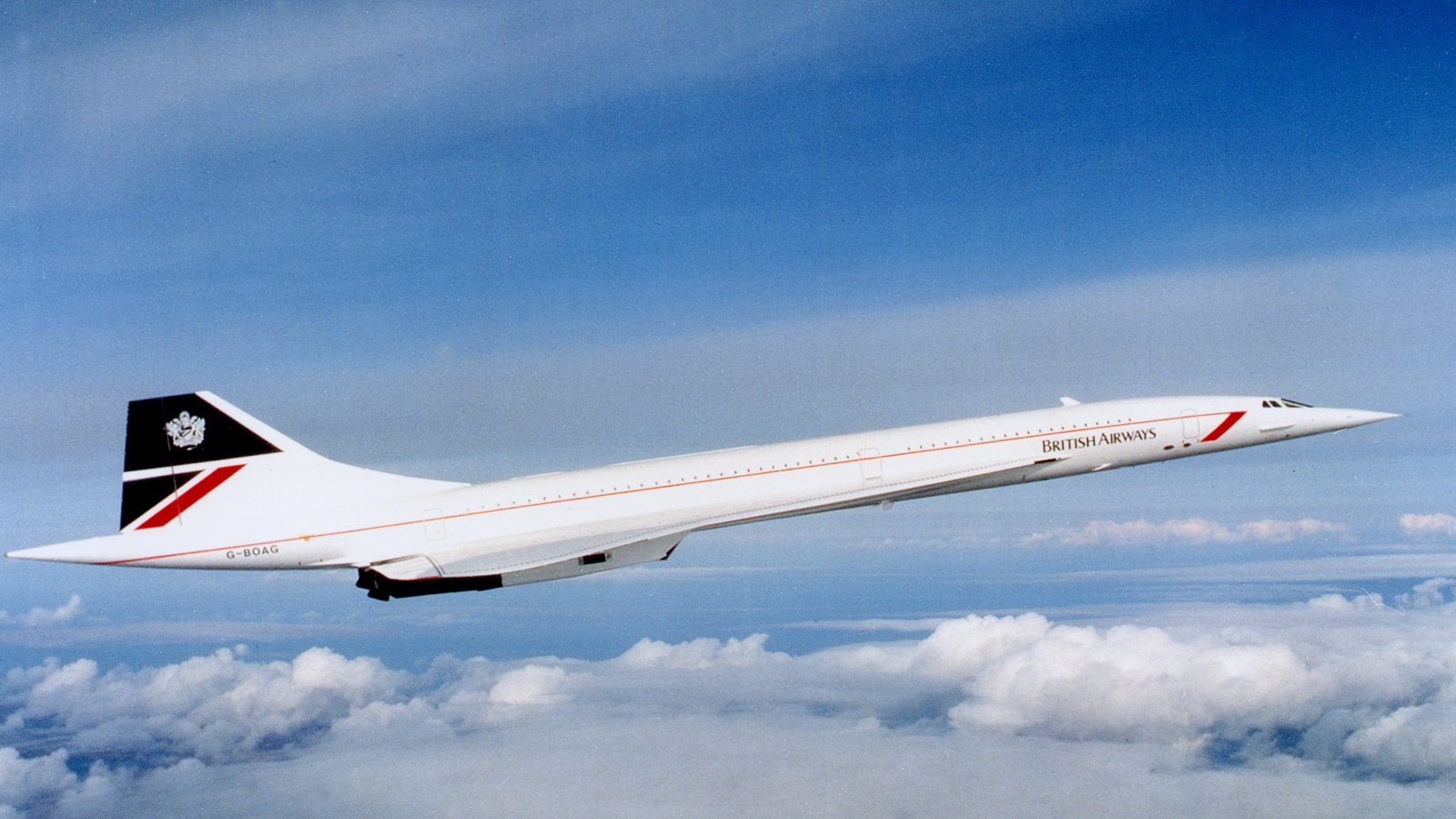
Figure 1. The last Supersonic transport, the Concorde. Source: Wikipedia.
Can an Airbus A321XLR kill NMA’s business case? Part 2
By Bjorn Fehrm
Subscription Required
Introduction
August 23, 2018, © Leeham News.: Last week we examined the areas which limit the capabilities of the Airbus A321LR from addressing a larger part of what is called the Middle of the Market or the NMA segment.
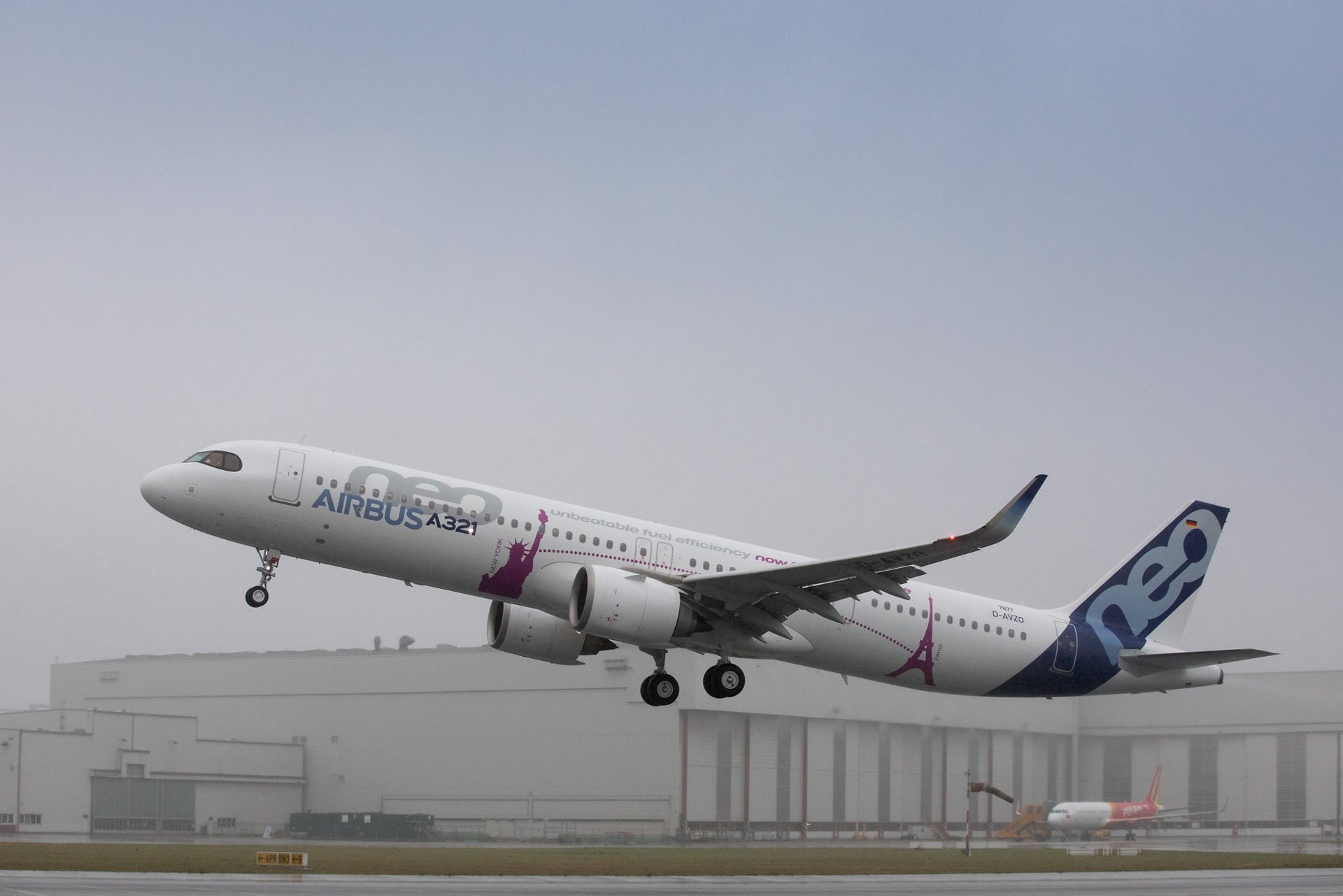
We now discuss the changes Airbus can do which would make an A321XLR cover more of an NMA space.
 Summary:
- The A321LR needs more fuel tankage to fly longer.
- Installing Additional Center Tanks, (ACTs) takes away critical luggage space and increases the aircraft’s empty weight.
- We explore other ways around the problem and what these bring.
Analysis: Bombardier continues to improve Q400 model
Aug. 21, 2018, © Airfinance Journal: Bombardier Commercial Aircraft is gradually introducing more features in its Q400 turboprop aircraft as the Canadian manufacturer continues to see appetite in the 70-90-seat market.
Improvements under development include a 2,000lb increase in payload capacity. The model’s current maximum payload is 18,716lb, while maximum take-off weight varies between 61,700lb and 67,200lb.
Other changes the manufacturer is introducing include the extension of A-check and C-check intervals from 600/6,000 to 800/8,000 flight hours, giving a 20% direct maintenance cost saving.
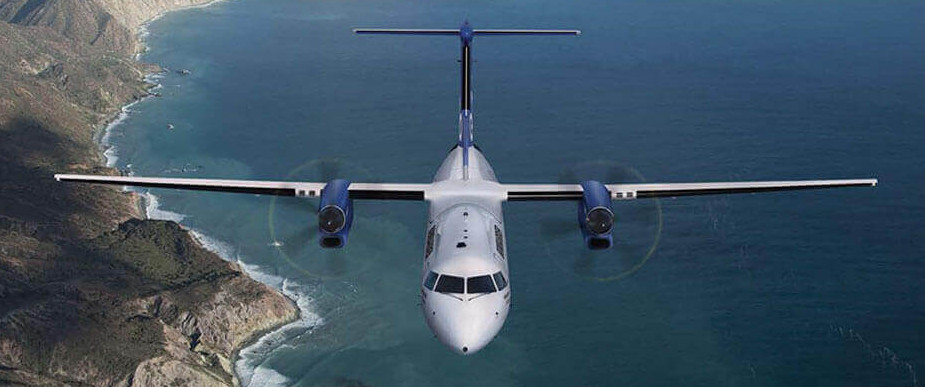
Bombardier Q400. Source: Bombardier.