
Leeham News and Analysis
There's more to real news than a news release.



Boeing sees long-term demand bouncing back after pandemic
July 16, 2022, © Leeham News: After years of market turmoil, Boeing and Airbus see brighter skies–and bigger order backlogs–ahead. Both companies maintained confidence that demand for aircraft would bounce back as the COVID-19 pandemic ebbed. Passenger traffic and aircraft utilization seem to back up their optimism. Traffic is bouncing back despite short-term economic concerns, a pandemic that is still smoldering and Russia’s invasion of Ukraine.
 Boeing projects demand for 39,050 new commercial aircraft, excluding regional jets, over the next two decades, according to its Current Market Outlook, which it released Saturday. The company’s forecast is in line with Airbus’ forecast of demand for 39,500 aircraft. Single-aisle aircraft make up three-quarters of demand in both companies’ outlooks. Boeing is slightly more bullish on passenger widebody demand.
Sustainability is an increasingly important factor in Boeing’s market outlook. It is also a relatively new variable, and how much it will shape market demand and in what ways is not very clear.
Bjorn’s Corner: Sustainable Air Transport. Part 28. Vectored thrust VTOLs.

By Bjorn Fehrm
July 15, 2022, ©. Leeham News: We started the analysis of the market’s most prominent VTOLs with multicopters last week. Now we continue with vectored thrust VTOLs.
The most known exponent for vectored thrust VTOLs is Joby Aviation’s Joby S4 VTOL, Figure 1.
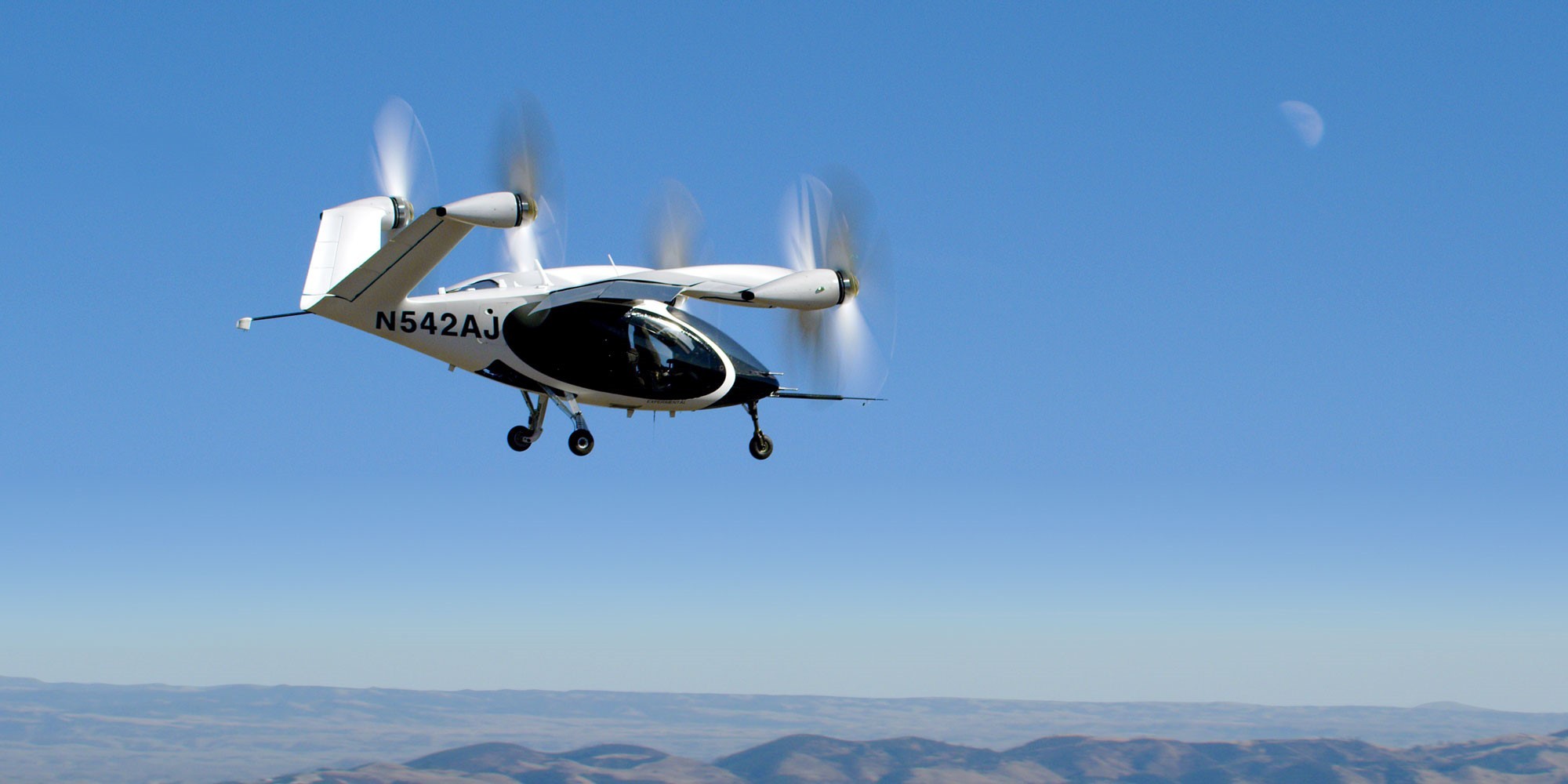
Figure 1. Joby S4. Source: Joby Aviation.
Dual or Single Aisle for Long-haul?
Subscription Required
By Bjorn Fehrm
Introduction
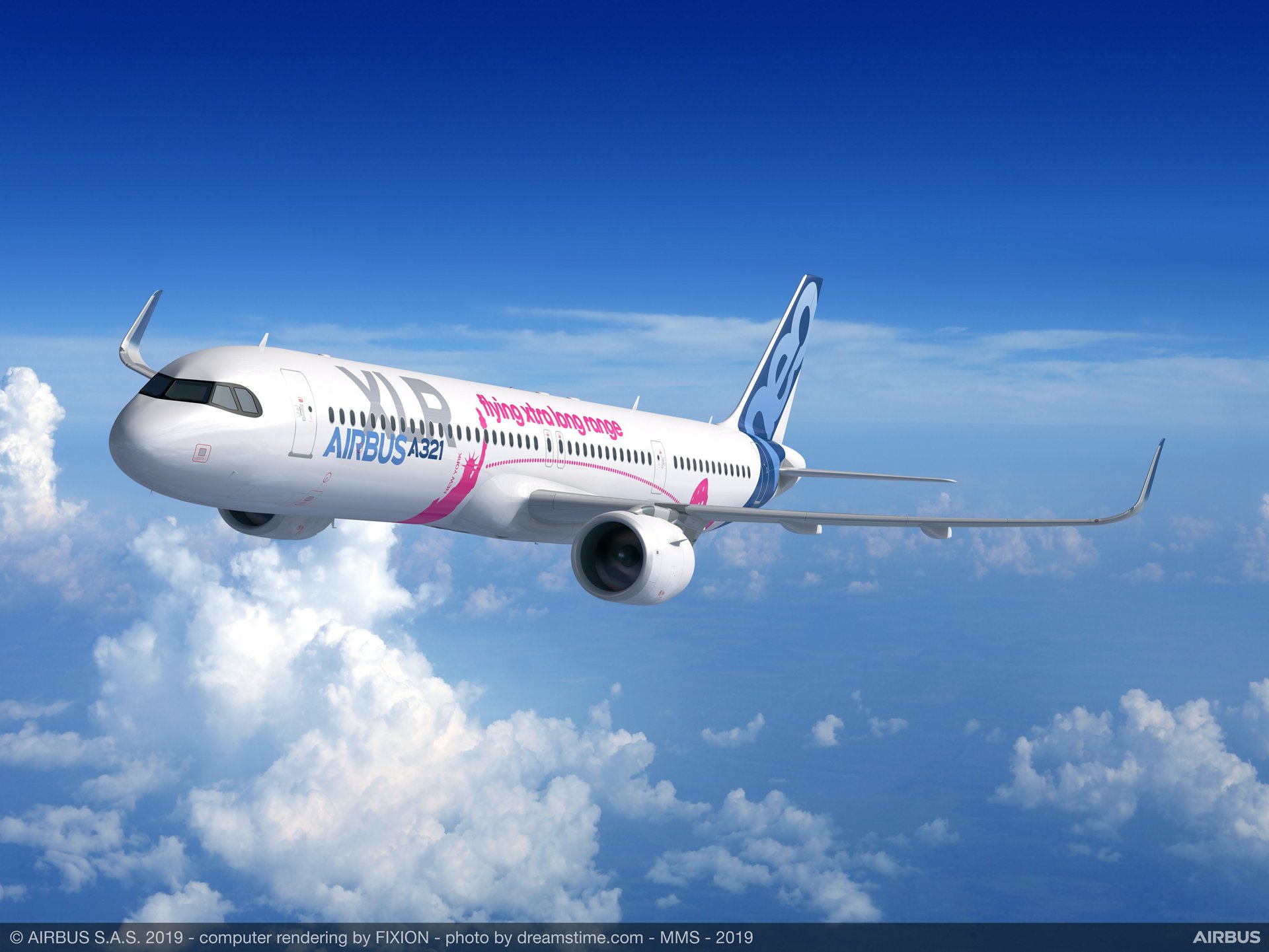
July 14, 2022, © Leeham News: What is the most economical way to fly long-haul up to the range of the Airbus A321XLR? The single-aisle alternative or stay with the trusted widebody?
The intuition says the single-aisle must be lower cost and, therefore, return better margins, given the same ticket prices for equal comfort seats. But is this true? We use the Leeham airliner performance and economic model to find out.
Summary
- When comparing single-aisle and widebodies, it’s important to equalize the cabin standards.
- There are also differences in cruise speeds and, therefore, flight times.
Sustainability progress “depends on where you snap the line”
Subscription Required
By Scott Hamilton
July 11, 2022, © Leeham News: When it comes to sustainable aviation, what’s real and what’s greenwashing, “it depends on where you snap the line,” says a managing director at the consultancy Accenture.
John Schmidt heads up Accenture’s Aerospace and Defense Global Industry consultancy. Schmidt briefed LNA ahead of the Farnborough Air Show, which begins next week.
The background

John Schmidt
At the Annual General Meeting of the International Air Transport Association (IATA) in Boston last October, IATA adopted a 2050 timeline goal for meeting targets to reduce aviation emissions. Tim Clark, the president and COO of Emirates Airline was on the panel with Stan Deal and Guillaume Faury, the CEOs of Boeing Commercial Airplanes and Airbus Group. The panel outlined goals for using Sustainable Aviation Fuel and reducing CO2 emissions, among other things. Clark, however, warned, “Don’t make promises you can’t keep.”
In a previous interview with LNA, Clark estimated the commercial aviation industry will need trillions of dollars to meet the 2050 goal. It’s money the industry doesn’t have. This begs the question: is there a certain amount of greenwashing going on?
Pontifications: China still needs Boeing as much as Boeing needs China
By Scott Hamilton
July 11, 2022, © Leeham News: The July 1 announcement by Airbus that it won orders for 292 airplanes from China, for the Big Three carriers, was treated as a shocker by some.
Boeing, which has been frozen out of the Chinese market since 2017, blamed geopolitical issues for its dry spell. To be blunter, blame it on former President Donald Trump, who began a trade war with China that inexplicably continues well into the first term of the Biden Administration.
Trump’s shoot-from-the-lip foreign policy routinely failed to consider geopolitical issues. Joe Biden is more thoughtful, but 18 months into his presidency has done little to repair relations with China. To be sure, there must be a balance when dealing with China and trade.
The country routinely engages in cyber-based industrial espionage, and this must be stopped. Honoring intellectual property rights is mere rhetoric by Beijing. But about a third of orders for Airbus and Boeing historically come from China. Boeing has about 140 737 MAXes in long-term storage destined for China. Despite global air traffic recovery, China’s zero-tolerance policy toward COVID continues to suppress domestic demand, another factor in Boeing’s storage problem.
But geopolitics is a real issue. Here’s what Boeing said following the Airbus order:
Bjorn’s Corner: Sustainable Air Transport. Part 27. Multicopters.
July 8, 2022, ©. Leeham News: We will start the analysis of the market’s most prominent VTOL variants by looking at the simplest version, multicopters.
When we analyze the multicopters, we can go through some fundamentals of how VTOL operates and the technology used.
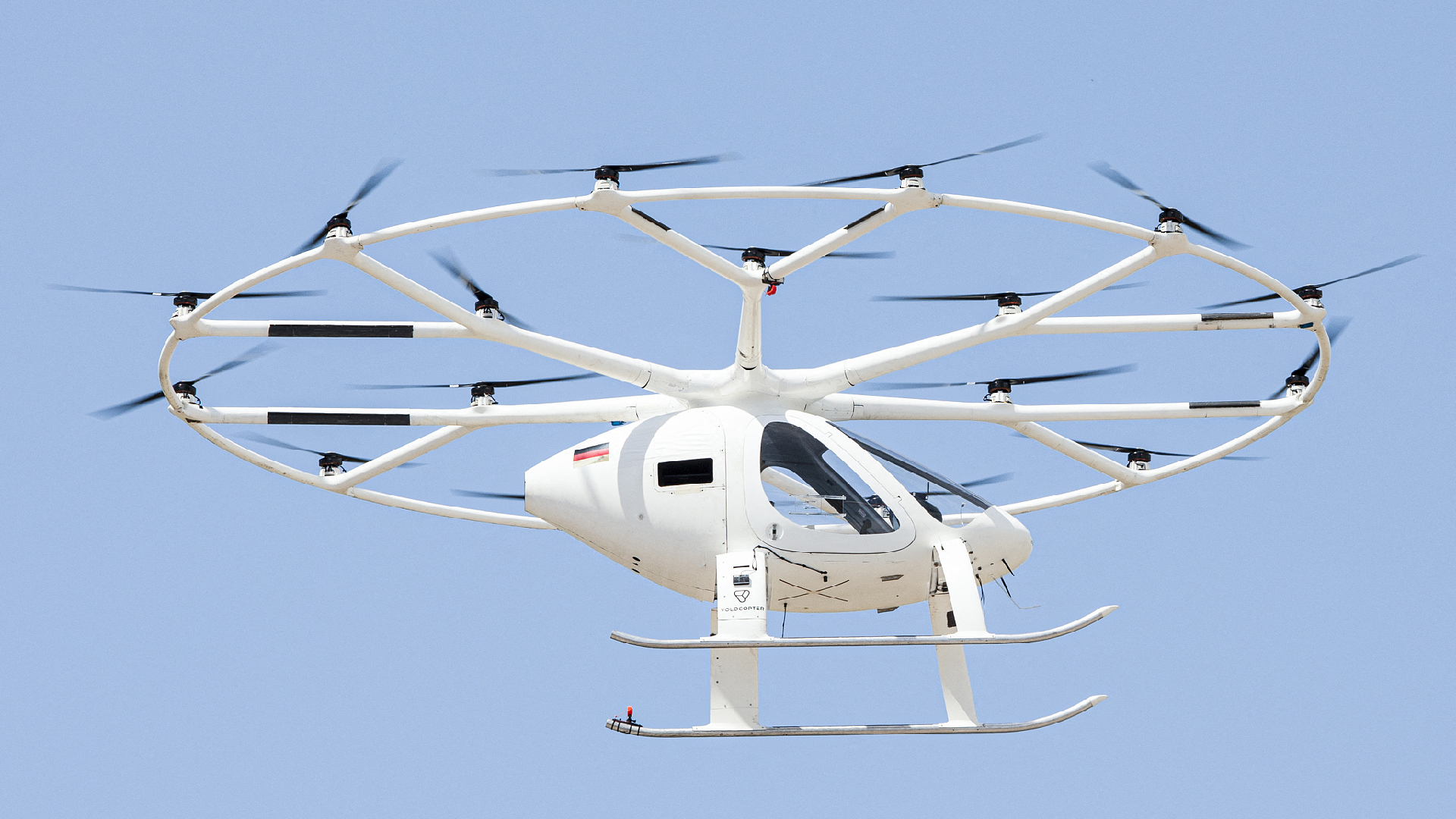
Figure 1. The VoloCity multicopter of the Volocopter company. Source: Volocopter.
Best business; Under-floor Cargo or Dedicated Freighter. Part 4.
Subscription Required
By Bjorn Fehrm
Introduction
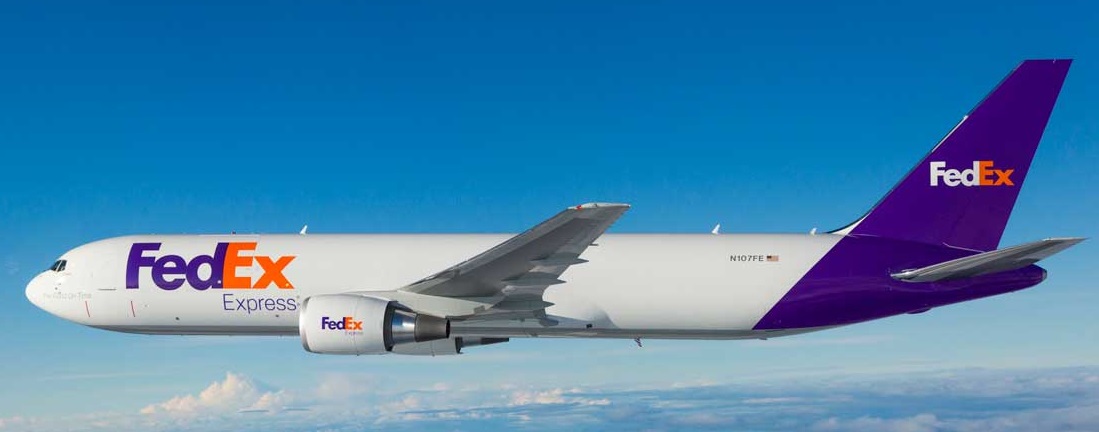
July 7, 2022, © Leeham News: What is the best business? To transport cargo below the floor in passenger airliners or dedicated freighter aircraft?
We dug deeper into the cost of flying air freight from Shanghai to Denver last week, forwarded as a below-floor pallet on a passenger jet or via a dedicated freighter.
The cost advantage changed from passenger jet to freighter when we looked deeper into the allocatable cost. Now we finish by analyzing why cargo airlines are consistently more profitable than passenger airlines.
Summary
- Freight airlines generate lower margins from operations than passenger airlines.
- Still, they are more profitable. We explain how.
What Boeing needs to do for digital, production transformation for new commercial airliner
Subscription Required
By Scott Hamilton

Greg Hyslop. Credit: Leeham News.
July 4, 2022, © Leeham News: When Boeing launches its next new commercial airplane program, whatever the design, advanced development, and production are intended to be a key part of the plan.
Officials have been hinting at this approach since the administration of CEO Jim McNerney. His successor, Dennis Muilenburg, opened the veil a bit more. David Calhoun, Muilenburg’s successor, has been more open about the concept.
Last month, Greg Hyslop, the executive vice president of Engineering, Test & Technology and the chief engineer for Boeing, was the most revealing yet. In a briefing in advance of the Farnborough Air Show that begins on July 18, detailed how digital design and advanced production will fit into the Next Boeing Airplane (NBA) plan.
Related Article
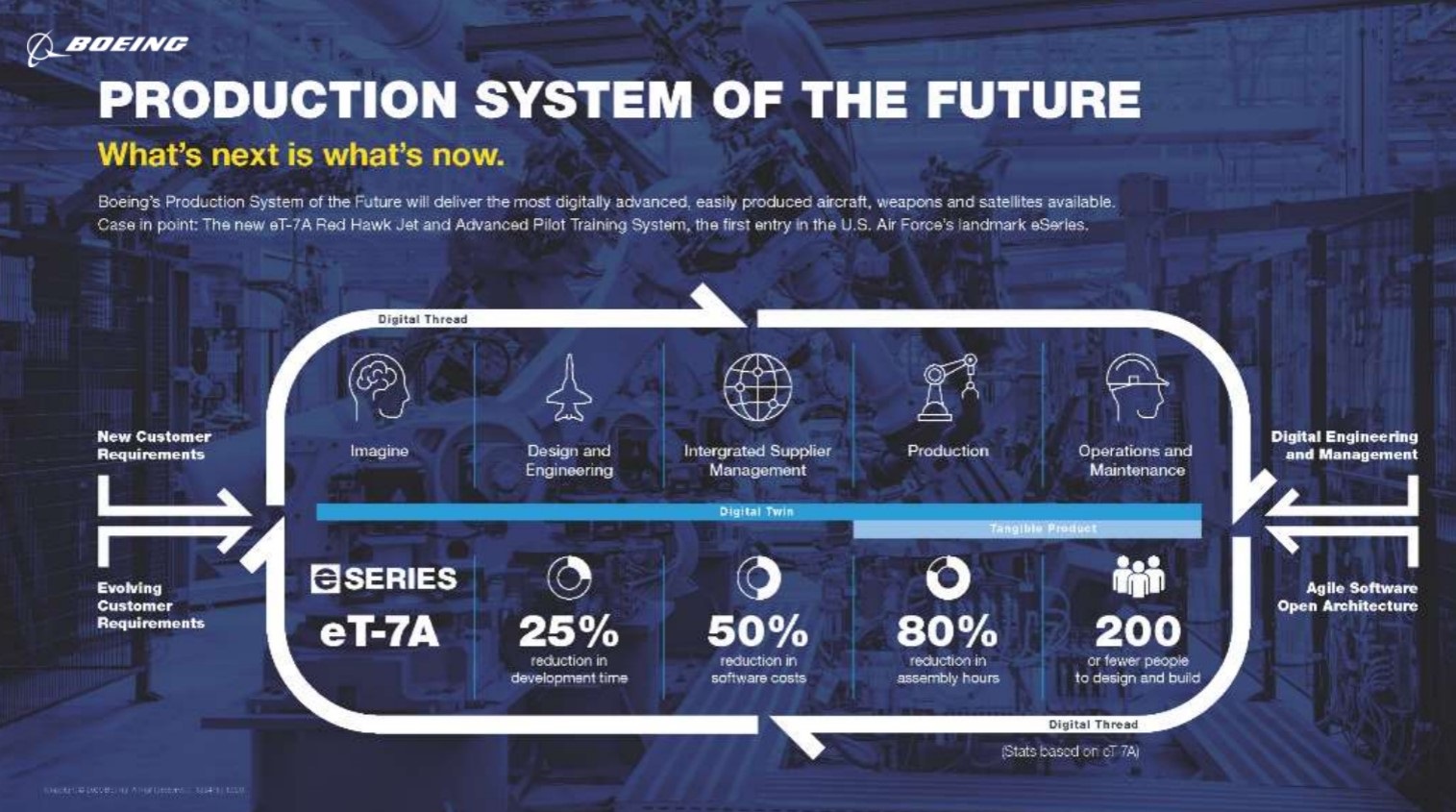
Boeing’s new approach to aircraft design, production, and assembly is illustrated above. The Defense unit used this for the T-7 Red Hawk trainer and the MQ-25 unmanned Navy refueling tanker. But a lot of work is necessary to migrate this to Boeing Commercial Airplanes. Credit: Boeing.
However, Hyslop acknowledged that these advanced design and production processes must transition from low-rate defense projects to high-rate commercial airplanes. This is the “maturity” Boeing CEO said recently is required before the NBA proceeds.
Summary
- Scalability is key to migrating digital and production transformation from defense to commercial.
- Lessons learned from 787 an important step.
- Rebuilding the workforce also required for the next new Boeing airplane.
Pontifications: death knell for the E175-E2 as Delta ALPA nixes Scope change
By Scott Hamilton
July 4, 2022, © Leeham News: Any hope that the Delta Air Lines ALPA pilots union will agree to a slightly relaxed Scope Clause in its next contract are just wishful thinking.
Few thought DALPA, as the chapter at the airline is known, would up the weight of airplanes allowed under Scope. This is needed to permit regional airline partners to operate the Embraer E175-E2. The E2 is more environmentally friendly and economical than the E175-E1, a 1990s design with engines (the CF34) that date to 1982 when it first ran on the test stand. The CF34’s design is based on the military TF34 developed in the 1960s.
EMB’s E175-E2 was supposed to enter service in 2021. It’s been rescheduled three times. The current EIS is now targeted for 2027. Few believe Scope will be relaxed by then. There is a growing belief that the E175-E2 is dead. (Embraer says no.) DALPA is often an industry-leading union. Its refusal to relax the weight limit all but assures the E175-E2 is dead.
Bjorn’s Corner: Sustainable Air Transport. Part 26. VTOLs.
By Bjorn Fehrm
July 1, 2022, ©. Leeham News: Last week, we finished our discussions around Fuel Cell-based airliners using hydrogen as fuel.
We could see the technology has true zero emissions, but the maturity of the many parts needed (hydrogen tank and fuel system, multi-MegaWatt class aeronautical fuel cells, motors, and controls) are not there. We are in the crawling before walk stage with sub-MegaWatt systems to make their first flights over the next years.
Another area claiming Green credentials is the VTOL space. Because these are based on electric technology, VTOLs are claimed as environmentally friendly and a good way to transport people.
We will analyze this industry and its claims of being an efficient, environmentally friendly way of transportation.
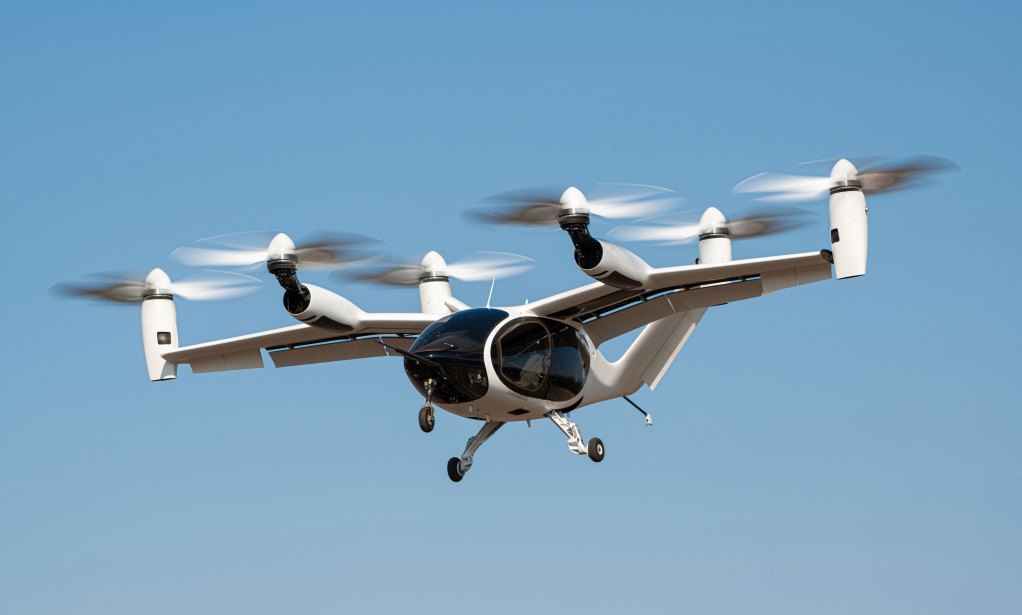
Figure 1. Joby S4, the VTOL project that has come the furthest. Source: Joby Aviation.