
Leeham News and Analysis
There's more to real news than a news release.


NMA “important step” for Boeing, says leading lessor

John Plueger, CEO of Air Lease Corp. Photo via Google images.
March 9, 2017, © Leeham Co.: Proceeding with a New Mid-range Airplane (NMA) is “an important step for Boeing,” says the CEO of one of the world’s preeminent leasing companies. On the other hand, Airbus probably is covered in the Middle of the Market sector.
John Plueger, CEO of Air Lease Corp, agrees with Airbus claims that it has the MOM sector covered.
“From Airbus’ perspective, I think that’s true,” he said in an interview with LNC during the ISTAT annual general meeting in San Diego this week. “I don’t think they feel they have a gap. They’re quite happy with the A321neo. The success of that airplane speaks for itself. They’ve got the A330neo. It would be very easy for them to just do a lighter weight version of the A330neo and whack $7m to $10m off the price of that airplane to compete.
“The question is whether operators will need the range of the neo in that equation,” he said.
“I also think…they are looking at modifying the wing for the A321 possibly even a new wing, which could increase the performance capability of that airplane significantly. For the Airbus product line, I would agree, I don’t think there is a need.”
If Boeing builds MAX 10, will customers come?
Subscription Required
Introduction
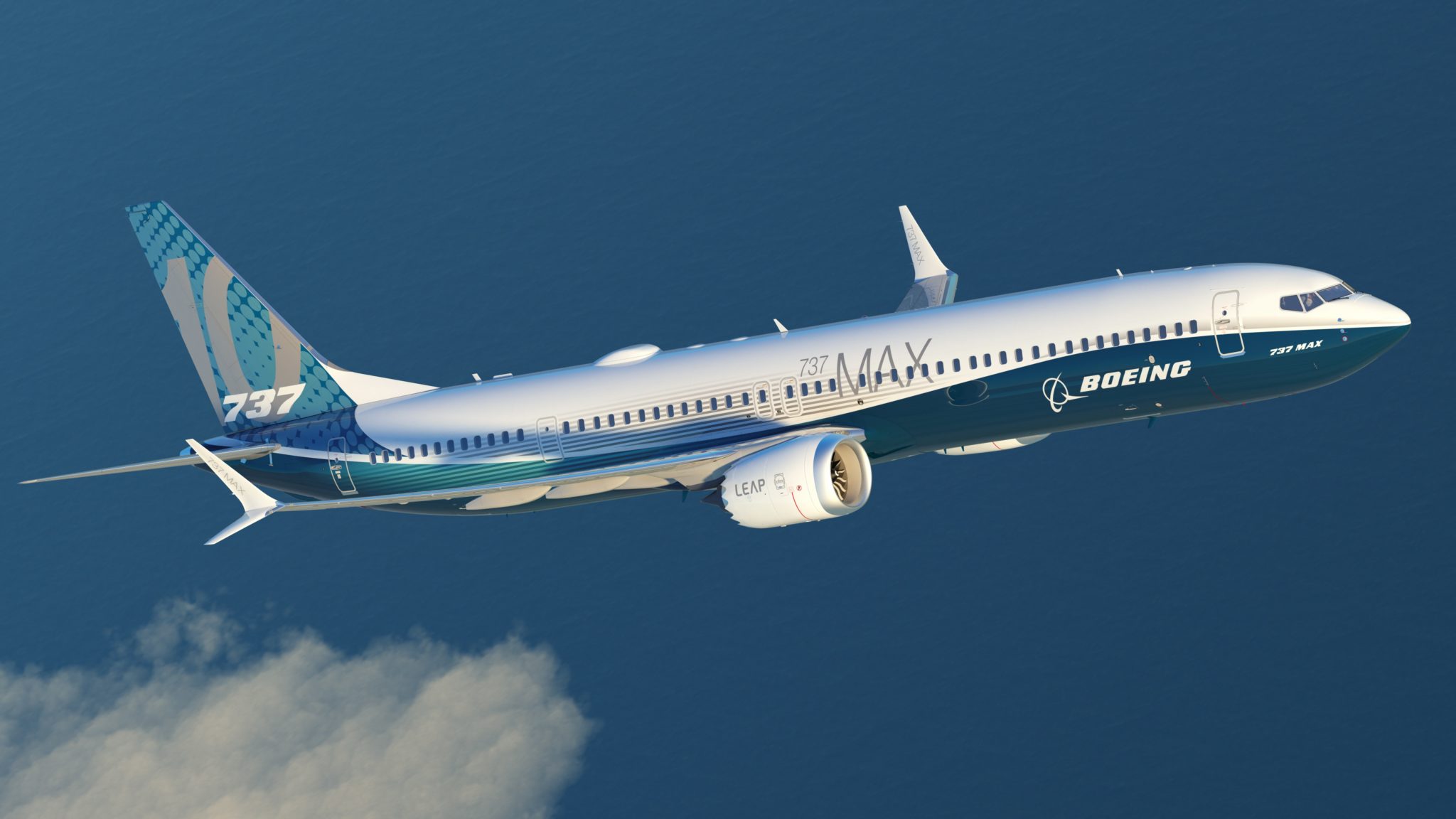
March 7, 2017, © Leeham Co.: If Boeing builds the 737-10, which appears increasingly likely, will customers come?
This is always the multi-billion-dollar question for any aircraft and engine manufacturer.
For Boeing, launching the 737-10 is a low-risk, and in the eyes of many, futile effort to stem the bleeding of market share between the MAX 9 and its rival, the Airbus A321neo.
- “That’s the most absurd thing I’ve ever heard. What is he, flying downhill?” Airbus’ John Leahy reacting to claims by Boeing’s Randy Tinseth that the 737-10 has more range than the A321neo.
Depending on who’s counting and how the numbers are calculated, the A321 sales outpace the MAX 9 by a factor of four or five to one. LNC calculated last year that the ratio is more likely 3:1, identical to the market share split between the predecessor airplanes, the 737-900ER and the A321ceo.
Engine OEMs diverge on technology for next generation
March 7, 2017, © Leeham Co.: Representatives of the four major commercial engine
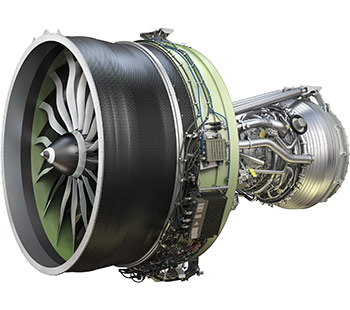
GE9X, the final engine in a decade-long engine renewal program for GE Aviation and CFM International
manufacturers have divergent views of the next round of engine development, either for the Middle of the Market/New Mid-range Airplane (NMA) or New Small Airplanes (NSA) coming in the next decade.
Officials of CFM, GE, Pratt & Whitney and Rolls-Royce appeared at the annual ISTAT conference in San Diego yesterday.
PW’s Rick Deurloo, SVP of Sales, Marketing Commercial Engines, had the added task of dealing with the highly-publicized teething issues surrounding its new Geared Turbo Fan engine on the Airbus A320neo.
Boeing soft launch for 737 MAX 10
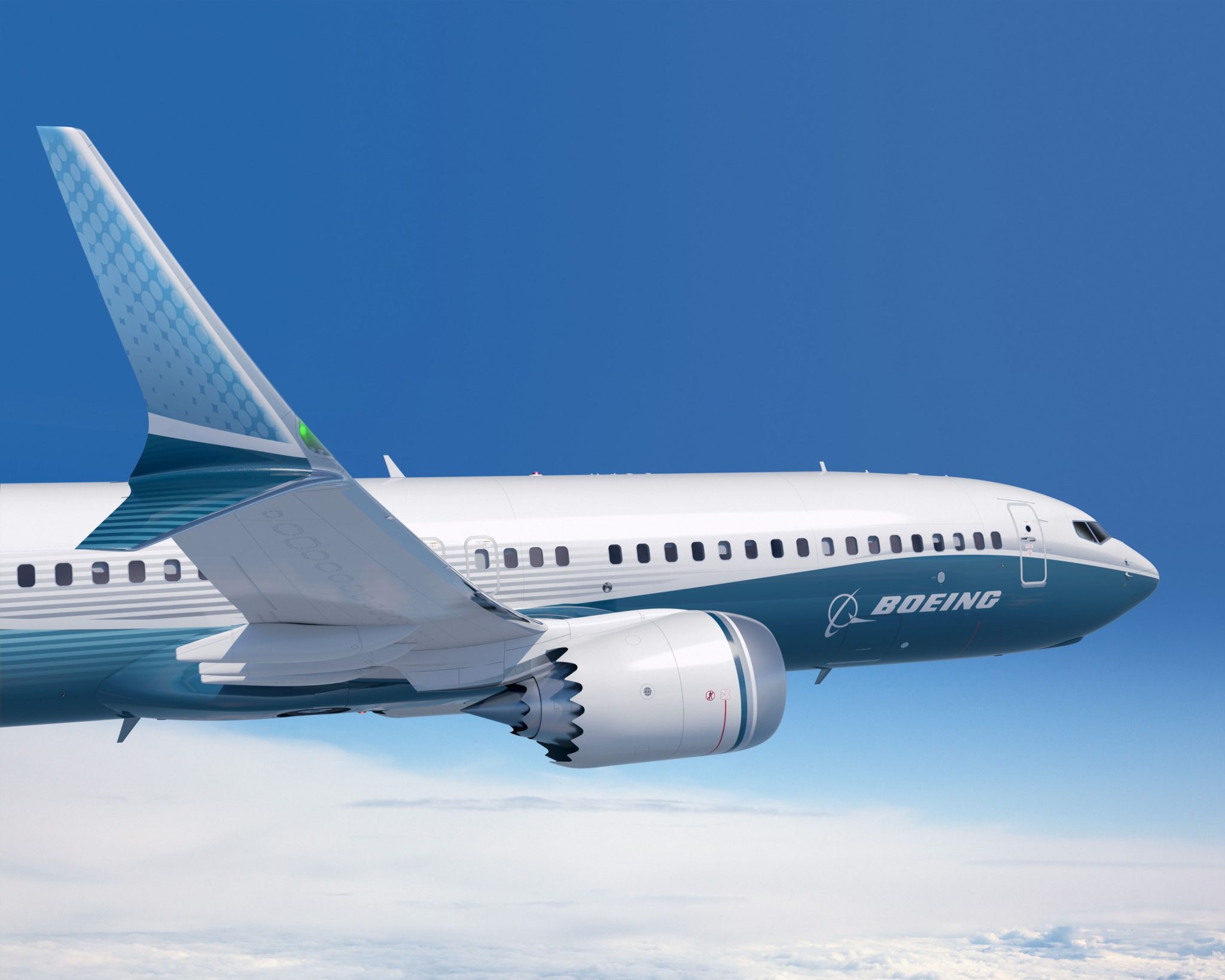
Boeing 737 MAX 8. The MAX 10 is a double-stretch of this baseline aircraft.
March 6, 2017, © Leeham Co.: Boeing effectively did a soft launch today of the 737-10 MAX at the ISTAT Americas conference in San Diego.
Randy Tinseth, VP-Marketing, revealed basic specifications for the MAX 10, the first time Boeing has done so in a public forum.
Pontifications: Boeing 737-9 roll-out–Nothing Special in the Air

By Scott Hamilton
March 6, 2017, © Leeham Co.: Boeing rolls out its 737-9 MAX tomorrow.
Last week, I received a call from one of the network/cable news organizations asking, What’s special about this airplane?
The answer is: Nothing.
Long-haul cost differences
By Bjorn Fehrm
Subscription Required
Introduction
March 2, 2017, © Leeham Co.: The single-aisle, long-haul operations are on the increase. The new re-engined Airbus A320neo and Boeing 737 MAX generations are good for destinations of up to 3,000 nm, after taking into account reserves, winds and alternates planning. The Airbus A321LR is good for up to 3,500nm sectors.
Last week, we showed the Bombardier CS300 is joining the crop of single-aisles capable of 3,000nm city pairs, the distance between London and New York.
We also wrote the cost level of the single-aisle aircraft is competitive with the next step up dual-aisle, the Boeing 787 and Airbus A330neo.
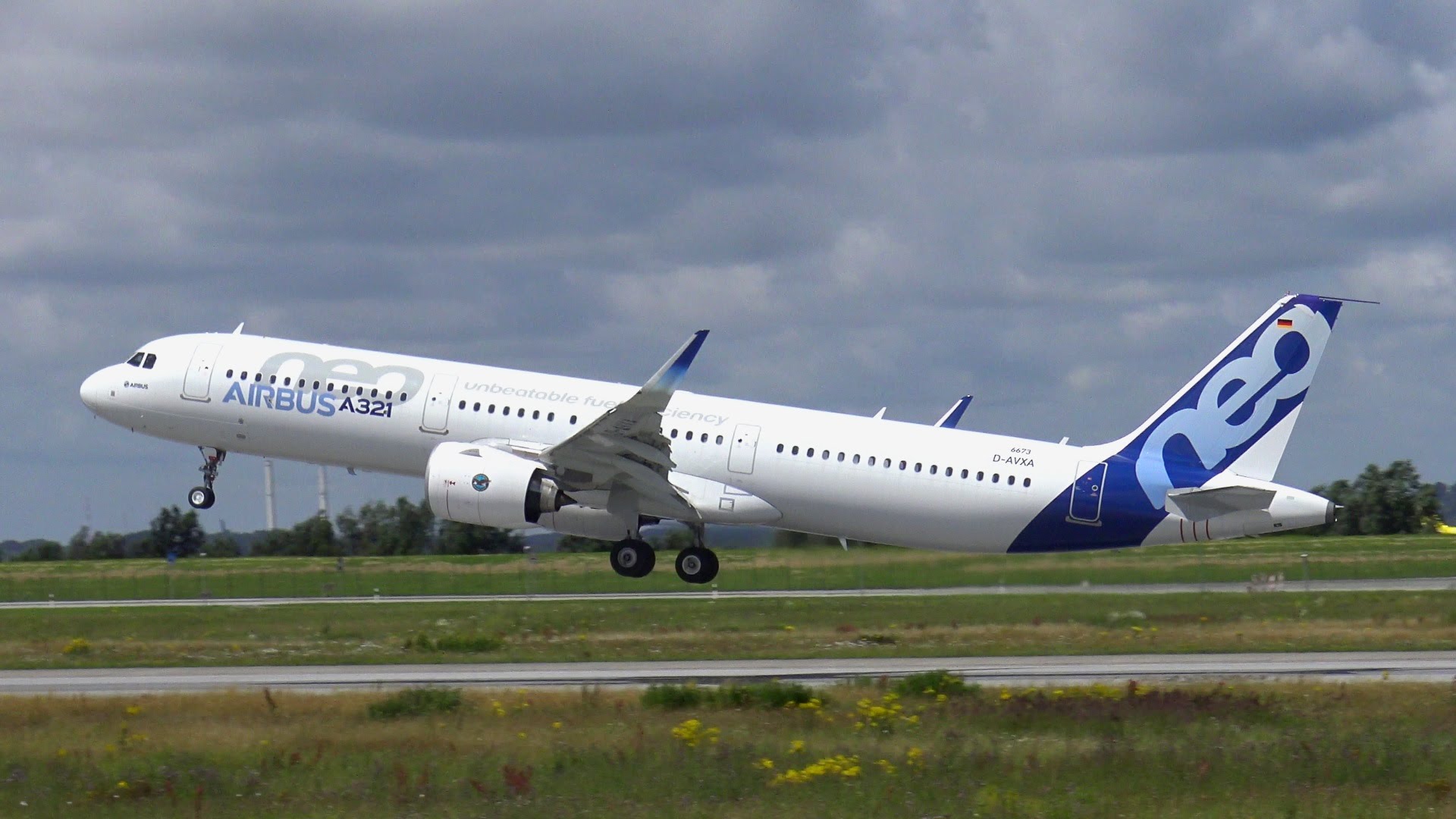
But how do the different cost areas pan out? Is fuel cheaper or more expensive for the dual-aisle? What about the single-aisle crew costs? For clarity, we engage our cost model.
Summary
- The total costs are similar per seat mile for single and dual aisle, but the parts are not.
- The fuel costs per seat are surprisingly similar; the differences are to find in other places.
AirAsia X; the long route to profitability
By Bjorn Fehrm
March 1, 2017, ©. Leeham Co: AirAsia X, the long haul sister of Tony Fernandes’ AirAsia, finally turned a profit during 2016. The airline, which started operation in 2007, had a bumpy ride from the start.
Initial operations were when fuel prices was at the highest, and the aircraft chosen, the Airbus A330-200 and A340-300, weren’t the most economical.
After scaling back operations in 2012 and focusing the fleet on the more economical A330-300, the business gradually turned. The low fuel prices of 2015-2016 finally brought the airline profitability for the last fiscal year. Read more
Pontifications: Boeing 777 production rates

By Scott Hamilton
Feb. 27, 2017, © Leeham Co.: When Boeing announced it will reduce 777 production to 5/mo, with actual deliveries of the 777 Classic to 3.5/mo beginning in 2018, the aerospace analyst at Goldman Sachs immediately concluded Boeing will have to reduce the rate to 2-2.5/mo.
Since then, and other analysts (whether publicly or privately) reached a similar conclusion.
On the 4Q/YE2016 earnings call in January and again last week at a Barclays conference, company executives said 90% of the positions in 2018 and 2019 are sold.
Shortly after the Barclays conference ended, one analyst called me to challenge the assertion by Greg Smith, Boeing’s CFO, about 2019. By his assessment, the analyst could only get to 60% in 2019. Did I see anything differently?
59% or 74%, but not 90%
At that point, I hadn’t looked. When I did later, I got to 59% based on firm orders. I could get to 74%, giving Boeing every benefit. But I couldn’t get to 90%.