
Leeham News and Analysis
There's more to real news than a news release.



Universal Hydrogen’s first flight nears
- Universal Hydrogen nears first flight of containerized fueling concept.
- Eviation’s Alice all-electric airplane offers another option for clean skies.
Subscription Required
By Scott Hamilton
Feb. 27, 2023, © Leeham News: Universal Hydrogen (UH2) is just days away from the first flight of its hydrogen tank concept in a converted De Havilland Canada Dash 8-300.
The flight will be from the Grant County International Airport at Moses Lake in Central Washington State. As such, weather—which is often unpredictable here—could upset plans. So far, the forecast is favorable if cold.
UH2’s conversion removes seats from the aft portion of the passenger cabin to make way for two large tanks to install through a main deck cargo-size door cut into the fuselage. A similar approach is underway in France with an ATR-72.
The liquid hydrogen (LH2) containers are trucked from the refueling source and loaded onto the planes. Then, when near empty, these are swapped for refueling with other tanks filled with hydrogen for the next flight.
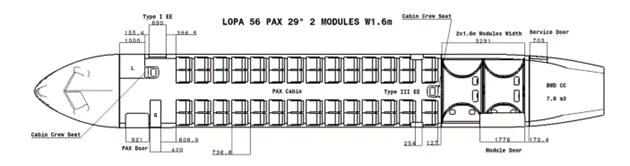
Universal Hydrogen’s concept for an H2-powered airplane centers on two fuel tanks at the aft end of the passenger cabin. This example is the ATR-72. A De Havilland Dash 8-300 is also being converted. Credit: Universal Hydrogen.
This concept solves the hydrogen supply problem at any airport. The ATR-72 capacity goes from 72 passengers to 56, a reduction of 28%. This dramatic reduction in revenue seats calls for a reset of cost and revenue per available seat mile, but for a first entry into the hydrogen field, it’s an important step in the quest for clean aviation. LNA believes that UH2 has the most viable hydrogen concept of all at the moment because the company addresses the hydrogen supply problem without the billions of dollars needed for airport infrastructure and pipelines.
Related stories
Moses Lake is the same airport used by Eviation for the first flight last year of its Alice electric aircraft. Its CEO, Gregory Davis, outlined the Alice concept at this month’s annual conference of the Pacific Northwest Aerospace Alliance (PNAA).
Bjorn’s Corner: Aircraft technology developments. Part 1.

By Bjorn Fehrm
February 24, 2023, ©. Leeham News: In the Sustainable Air Transport series we finished last week, we described new aircraft technologies developed to reduce Green House Gas (GHG) emissions.
There was one area we didn’t discuss, the progress on conventional technologies to reduce the fuel burn of an airliner.
We now start a series, digging deeper into what we can do with conventional technologies to reduce the fuel burned per passenger kilometer and, thus, GHG emissions.
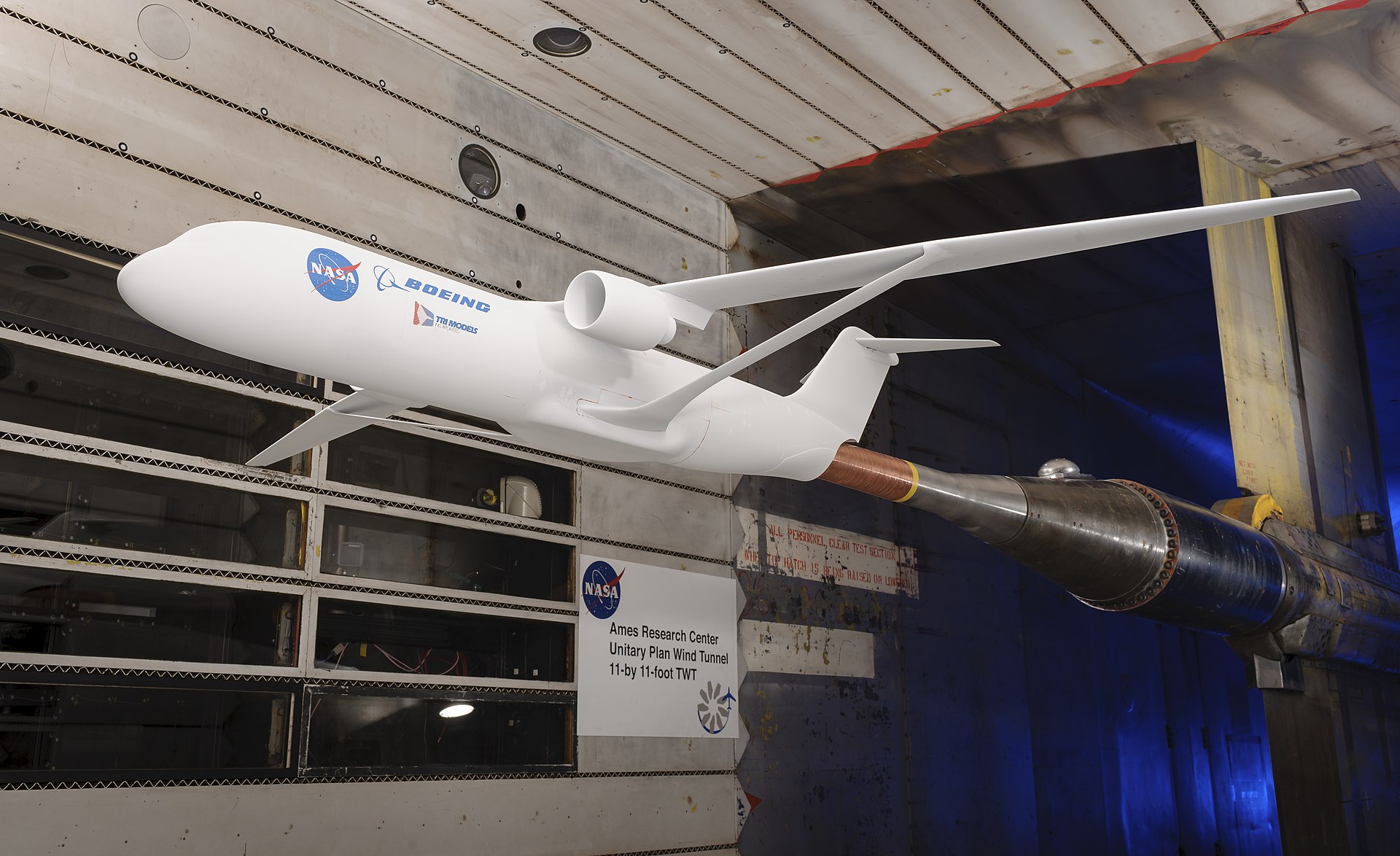
Figure 1. Truss braced wing, a way to reduce aircraft drag. Source: Boeing.
The pros and cons of Boeing launching a new airplane program sooner than later
Subscription Required
By Scott Hamilton
Feb. 23, 2023, © Leeham News: Many, outside of Wall Street analysts and stockholders, are critical of the decision by Boeing CEO David Calhoun to suspend the development of a new airplane. It will be the middle of the next decade before the company “introduces” a new one.
The view from this month’s Pacific Northwest Aerospace Alliance (PNAA) Conference is split. Speakers like Kevin Michaels and Richard Aboulafia, both from the consultancy AeroDynamics Advisory, favor launching a new airplane program sooner than later. So does aerospace analyst Ron Epstein of Bank of America. He’s a rarity among Wall Street analysts.
While Calhoun pointed to the lack of step-change engine technology as the reason to suspend any development today, LNA previously pointed out that Boeing simply may not be ready internally. Production of the 737 MAX remains challenging and somewhat erratic. The 787 is ticking along at a mere one-half airplane a month. Certification of the 737-7, 737-10, and 777X have yet to be achieved. Boeing’s debt remains in the tens of billions of dollars; about $5bn in due this year alone.
And then there is the supply chain. It’s simply not ready, either. It’s struggling with materials and labor shortages. Some laborers are new and inexperienced. Even Airbus continues to struggle to make its delivery targets. It fell short last year by a wide margin and in January delivered only 20 airplanes.
Calhoun would have had better messaging on these points rather than simply saying technology isn’t advanced enough yet (which is only partly true). Critics may have been more easily persuaded.
Related stories
Pontifications: Bumps ahead notwithstanding, Boeing sees steady recovery

By Scott Hamilton
Feb. 21, 2023, © Leeham News: Boeing will have some bumps in the road (or maybe I should say, some turbulence) now and then, but its chief financial officer is confident the company is solidly on its way to recovery.
Recovery is daunting. There’s $51bn in total debt (more than $34.5bn in net debt), with $5.2bn coming due this year. Production of the 737 and 787 remains erratic. Deliveries are slower than hoped. Certification of the 737-7 and 737-10 has yet to be achieved. Program progress on the 777X is slow. A host of defense programs are in money-losing positions.
But orders picked up nicely for the 737 and 787. Even the 777X won 10 orders, from Air India, after a long, long drought. Debt, huge though it is, is coming down. Revenues are up at Commercial Airplanes and Global Services, though down at Defense.
Brian West, the CFO, outlined Boeing’s outlook during an appearance at a Cowen Co. investors conference last week. There was little new since Boeing held its own investors’ day on Nov. 2 and the 2022 earnings call on Jan. 26. But there are always a few nuggets to come out of these appearances.
A deep dive into the twin-aisle market
Subscription Required
By Vincent Valery
Introduction
Feb. 20, 2023, © Leeham News: Last month, LNA analyzed the single-aisle market order opportunities for Airbus, Boeing, COMAC, Embraer, and UAC. We now focus on the twin-aisle duopoly of Airbus and Boeing.
Unlike in the single-aisle market, Boeing leads in market share: 64% nominally and 69% after Boeing’s at-risk ASC 606 adjustments and LNA’s assessment for Airbus, which doesn’t publish at-risk order numbers. If we exclude government and freighter orders, Boeing’s market share lead is 60% and 65% after at-risk adjustments.
However, the A330ceo family has the broadest operator base, and there are still almost 1,000 units in passenger service. LNA investigates the order twin-aisle aircraft order books and assesses replacement opportunities for both OEMs based on the in-service fleet.
Summary
- Boeing has the edge in the in-service fleet;
- Breaking down the order books between replacements and growth;
- Keep track of order choices for older-generation operators;
- Flip orders and airlines that did not order;
- The twin-aisle freighter market.
Bjorn’s Corner: Sustainable Air Transport. Part 58. Summary Part 2.
By Bjorn Fehrm
February 17, 2023, ©. Leeham News: Last week, we summarized that SAF is the short-term solution for GreenHouse Gas (GHG) reduction for Air Transport, and hydrogen is the longer-term solution for up to medium-haul flights.
What about battery and hybrid aircraft? It’s the go-to solution for ground transport (except for long-haul trucks, which are going hydrogen, Figure 1)?
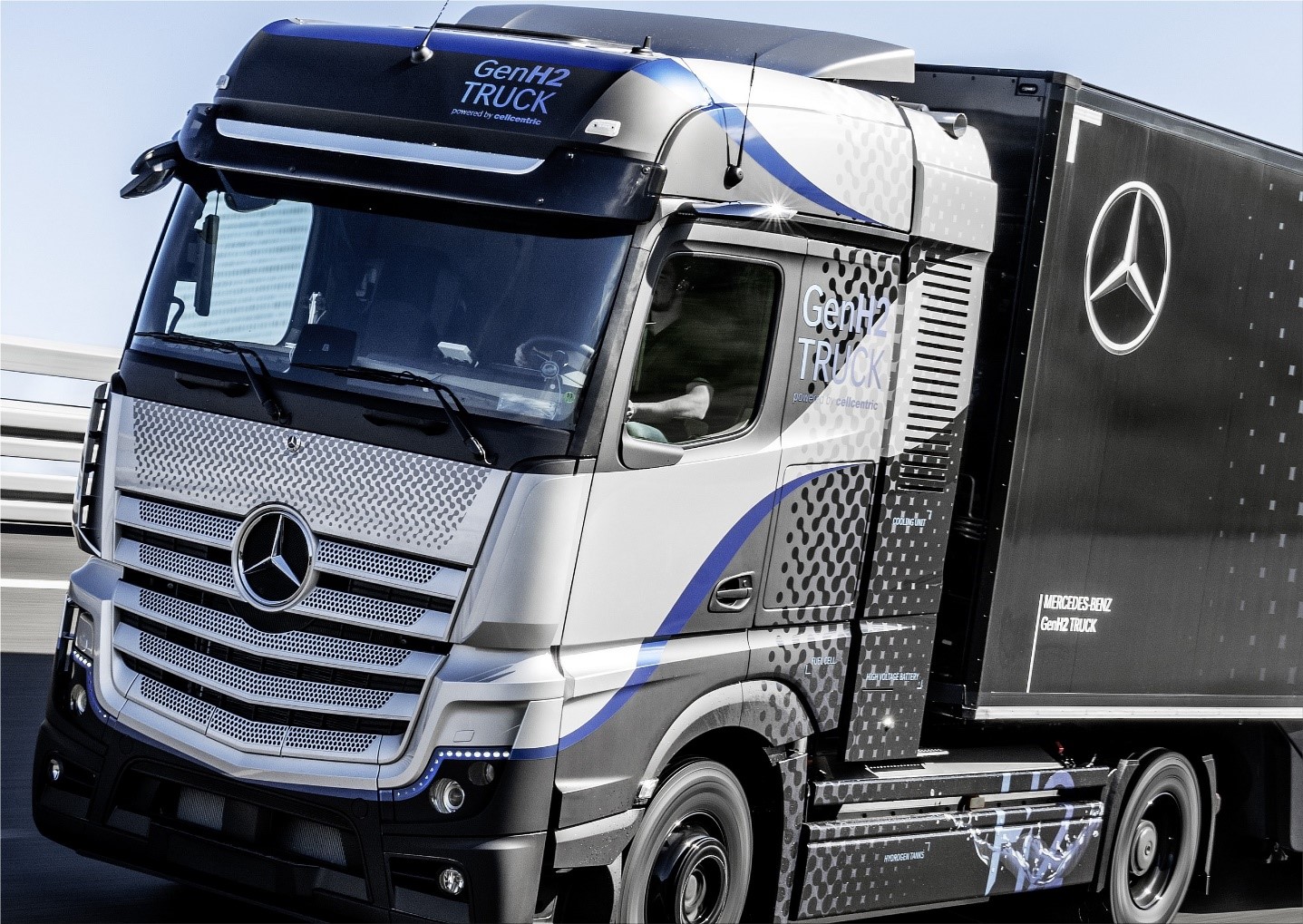
Figure 1. Mercedes hydrogen truck from the world’s largest truck maker. Source: Daimler trucks.
Boeing Capital Corp. to be “realigned” within airplane division
By Scott Hamilton
Feb. 16, 2023, © Leeham News: Boeing Capital Corp. (BCC) will be absorbed by Boeing Commercial Airplanes (BCA) as Boeing continues to restructure following the 2019 grounding of the 737 MAX, a 20-month suspension of 787 deliveries, the COVID pandemic and challenges in certifying the 737-7, 737-10 and 777X. Airfinance Journal (AFJ) first reported this latest move.
BCC is Boeing’s aircraft leasing arm. About 181 airplanes are owned, managed, and ordered by BCC.
BCC’s future has been the subject of internal discussion for at least a year. LNA first learned of the discussions last year. Several scenarios were considered, ranging from a spin-off, total sale, partial sale, or a structure that could see Boeing rearranging assets within Boeing Commercial Airplanes (BCA). A partial portfolio sale and retaining certain airplanes appears to be the solution most favored. In recent weeks, multiple market sources indicated some decision was imminent.
Realigning BCC
“We plan to realign the Boeing Capital organization to operate within Boeing Commercial Airplanes, while maintaining strong coordination with Boeing Treasury,” said Brian West, CFO of The Boeing Co., in a memo to BCC employees, AFJ reported. “With the vast majority of BCC’s work focused on our commercial business, this alignment will help ensure consistency of support to our commercial customers. And as we realign, we will look for ways to simplify the organization and focus resources on our core work of supporting our customers and their financing needs.”
AFJ notes that BCC is Boeing’s aircraft leasing arm that was inherited in the 1997 merger with McDonnell Douglas Corp. (MDC) Then called McDonnell Douglas Finance Corp, MDFC served as a financier of last resort for poor-credit companies, aircraft trade-ins, and remarketing, and occasionally providing what’s called backstop financing for more creditworthy airlines, the trade publication wrote.
BCC historically has been a small part of The Boeing Co’s business model. It’s not considered core to its business. Following the prolonged 737 MAX grounding, the suspension of deliveries of the 787 from October 2020 to August 2021, the long-delayed certification of the 777X, and the impacts of the COVID pandemic, Boeing began considering alternatives for BCC. These included closing it, spinning it off, or selling its assets.
Airbus posts solid 2022 full-year results despite supply chain problems
By Bjorn Fehrm
February 16, 2022, © Leeham News: Airbus presented its results for 2022 today. The company announced net profits of €4.3bn on revenue of €58.8bn despite several disruptive events during 2022.
Disruptions like the effects of the Russia-Ukraine war and the supply chain ramp after COVID kept the delivery increase for 2022 at half the target of 110 jets, resulting in 661 deliveries instead of the originally guided 720.
Guidance for 2023 keeps the 720 airliner delivery target, an operating profit of €6bn, and a Free Cash Flow of €3bn.
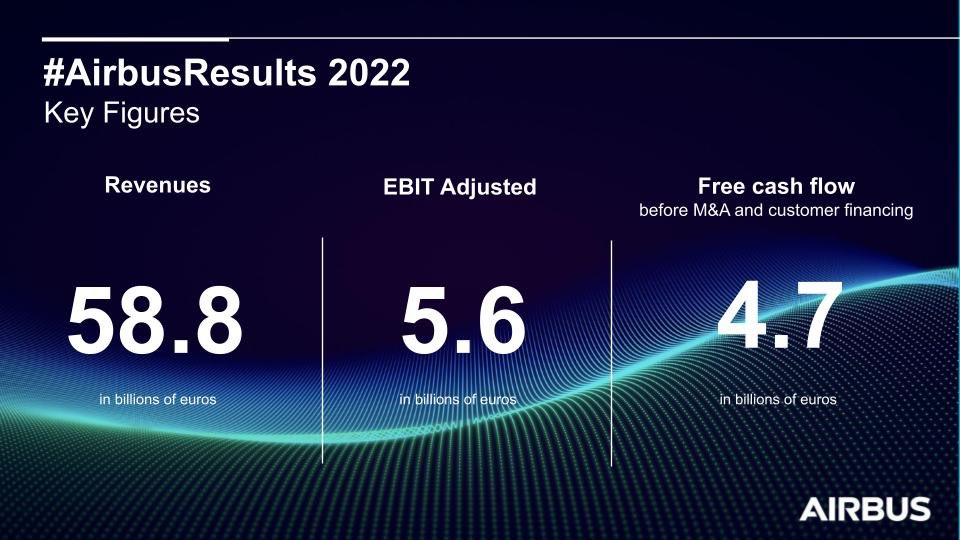
Figure 1. Airbus results highlights. Source: Airbus.
What is the ticket price influence of SAF? Part 2
Subscription required
By Bjorn Fehrm
Feb. 16, 2023, © Leeham News: Last week, we looked at the ticket price influence if airline fuel costs would increase going forward, either through increased use of Sustainable Aviation Fuel, SAF, or higher environmental emission fees.
We realized that ticket prices have other parts than fuel and aircraft-related costs. For instance, an airline has sales and marketing, administration, and airport ground staff. We got an overview of such cost parts depending on whether the airline was a mainline carrier or a Low-Cost Carrier (LCC).
Now we use this knowledge and our airliner performance and cost model to check the influence of varying fuel and emission costs on ticket prices going forward.
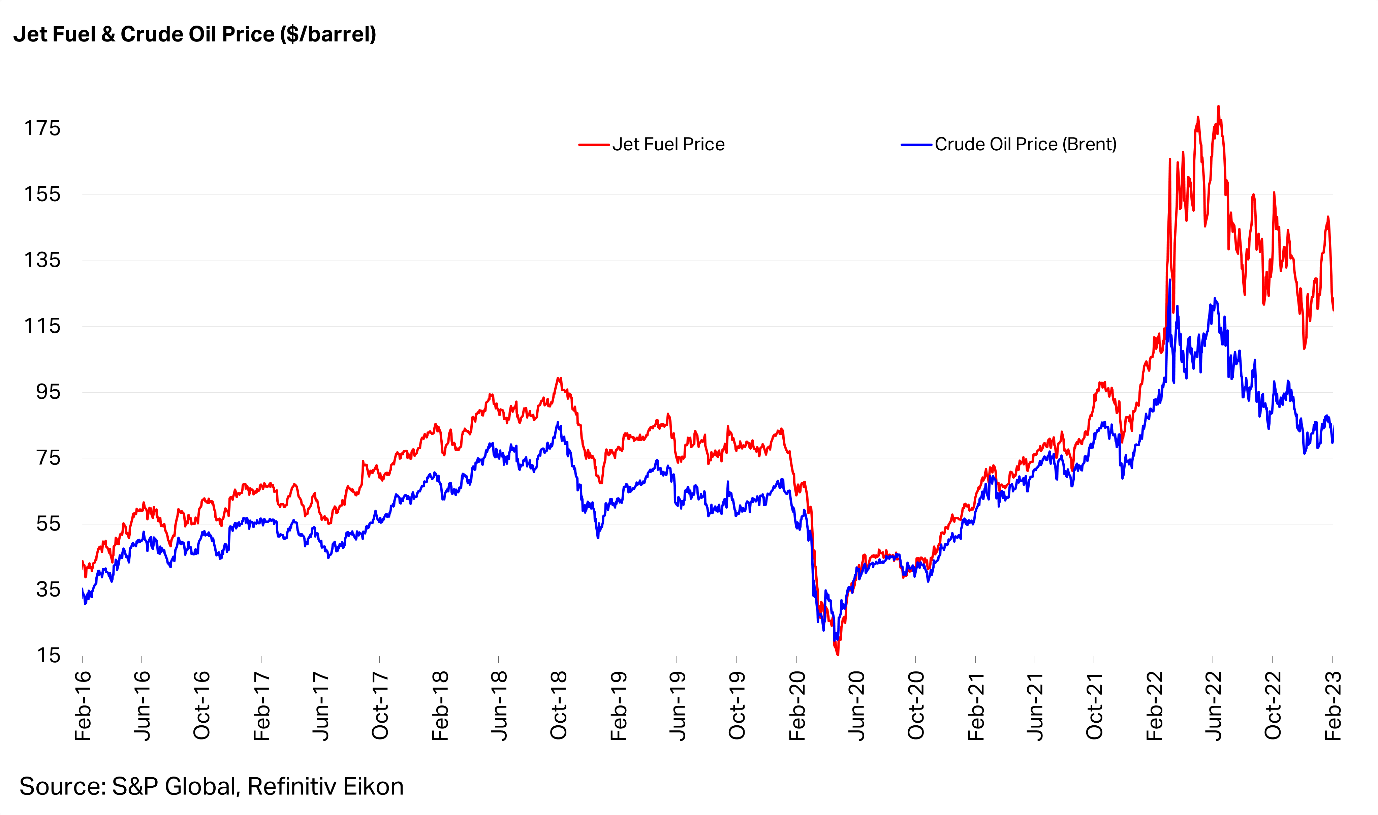
Figure 1. Jet fuel price variation over time. Source: IATA Jet Fuel Price Monitor.
Summary:
- We check the influence of SAF blends and EU emission permits on end-of-decade energy costs.
- Then we discuss how increased flight energy costs can influence ticket pricing.
HOTR: China’s desire for aerospace self-sufficiency threatens Airbus, Boeing
By the Leeham News Team
China’s goal for C919
 China’s state-run aviation industry is working toward self-sufficiency because of sanctions. But it is these same sanctions that will make it difficult to achieve.
Beijing wants to shift to supplying its single-aisle jet needs to the COMAC C919 by the end of this decade, according to a person familiar with the situation. But ramping production up to meet future demand is difficult under the best of circumstances.
With Western-built suppliers a key to the development of the C919, including the CFM LEAP 1C engines, there is little chance the domestic industry can shift exclusively to domestic suppliers on the scale required in the time desired.
Regardless of the feasibilities, these goals are bad news for Boeing—and most likely for Airbus, too.
Boeing’s dilemma with China is well known. Aside from the geopolitical challenges between China and the US and the well-known slow return to service of the in-country 737 MAXes, Boeing can’t deliver 138 new-build MAXes to China.
Deliveries are blocked for the aforementioned geopolitical considerations. Beijing’s three-year-long zero-COVID policies cratered domestic demand. With the policies recently lifted, passenger traffic is building but it is still well below pre-pandemic levels.
But that’s not all.