Leeham News and Analysis
There's more to real news than a news release.


US start-up has a lot of Moxy
Subscription Required
Introduction
June 21, 2018, © Leeham News: A new US airline secured delivery positions for 60 Bombardier CS300s for deliveries from 2020, according to its business plan circulating this month.
 Moxy Airlines is led by David Neeleman, founder of several airlines including Morris Air (later acquired by Southwest Airlines), WestJet, JetBlue and Brazil’s Azul Airlines.
No application for certification had been filed with the US Department of Transportation as of last week.
The plan was first reported by Airfinance Journal June 11.
Summary
- Business plan says an “order” has been placed for 60 CS300s but also says “delivery positions” were procured.
- Delivery positions may be those of Republic Airways Holdings.
- Initial funding of $100m raised.
- Secondary cities, point-to-point business model.
- Likely boost for C Series plant in Mobile (AL)—but a suggestion that this fills the line for two years is off base.
Pontifications: Why Embraer downplayed range of EJet

By Scott Hamilton
June 18, 2018, © Leeham News: Bjorn Fehrm on Thursday wrote (behind the paywall) that Embraer seems to be selling the E190-E2 short when it comes to range.
Embraer’s published range is 2,850nm. But Bjorn discovered that the range is truly 3,250nm, fully 14% more than the advertised range.
I laughed out loud when Bjorn told me of this discrepancy.
Why would Embraer short-change the E190-E2’s range?
The answer was obvious to me.
Airbus-C Series closing a “positive catalyst,” say analysts
June 13, 2018, © Leeham News: The news Friday that Airbus and Bombardier concluded the deal in which Airbus takes a 50.01% ownership in the C Series program was greeted favorably by two analyst reports LNC saw.
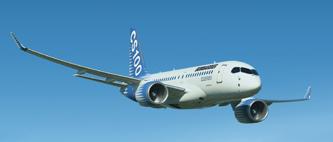 Credit Suisse and JP Morgan each called the approval by all regulatory authorities and closing the deal—well ahead of schedule—as positive catalysts for the C Series.
A synopsis of the two research notes are below.
The partnership becomes effective July 1, just two weeks ahead of the Farnborough Air Show.
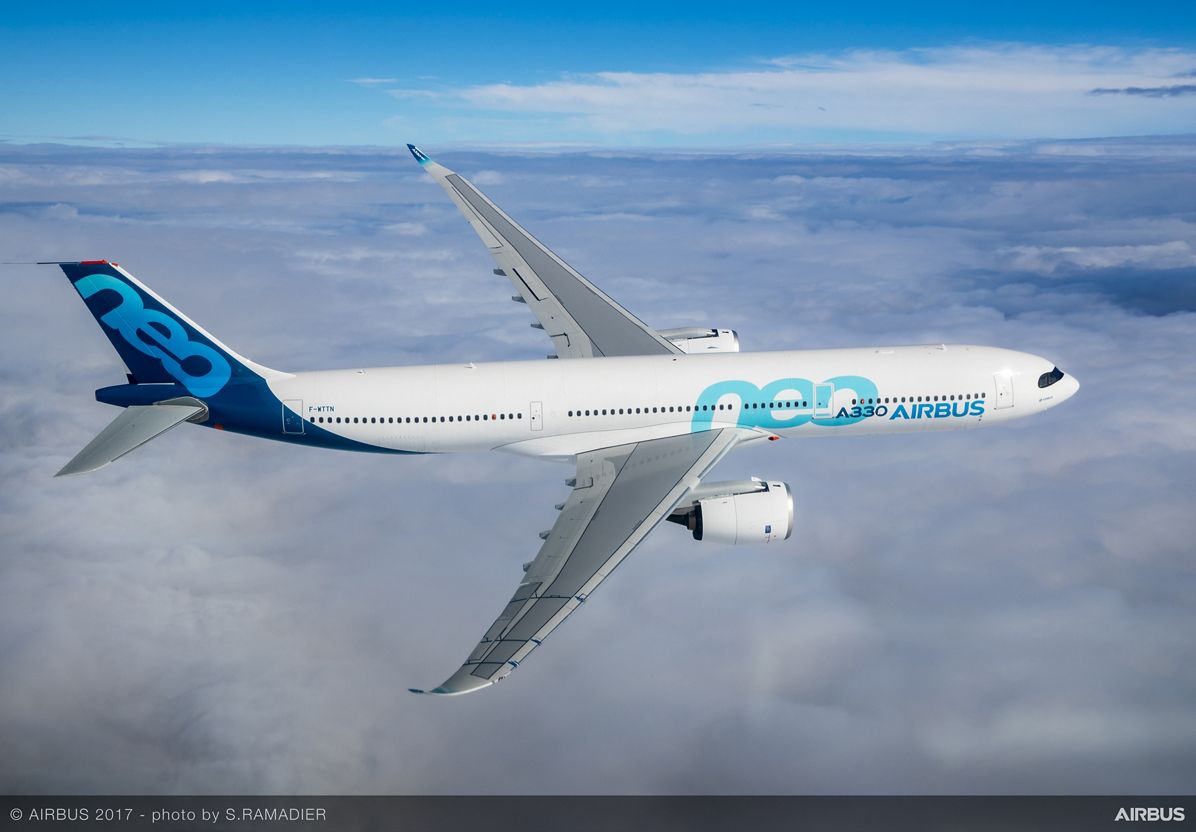
How competitive is A330neo? Part 3.
By Bjorn Fehrm
Subscription Required
Introduction
June 7, 2018, © Leeham News: In Part 1 we compared the base characteristics of Airbus’ A330-900 and Boeing’s 787-9. In Part 2 we compared the fuel consumptions. Now we continue with the other costs of operation.
With these we form Cash Operating Costs and then add capital costs to get Direct Operating Costs.
 Summary:
- The operating costs for the A330-900 and the 787-9 are close.
- The difference can be compensated with lower capital costs. Monthly lease rates for the A330-900 are below the 787-9 lease rates.
- We think there are other Boeing strengths which turn the deals the 787 way.
India outlook for Airbus, Boeing: Optimistic at first sight, but what lies beneath?
Special to Leeham News and Comment.
May 30, 2018, © Leeham News: As one of the fastest growing airline markets in the world, India represents a large and growing part of the Airbus and Boeing order books. Although the absolute numbers seem unwieldy at first glance, a closer look at the data show that the country’s aircraft orders may actually make sense given population and consumer trends.
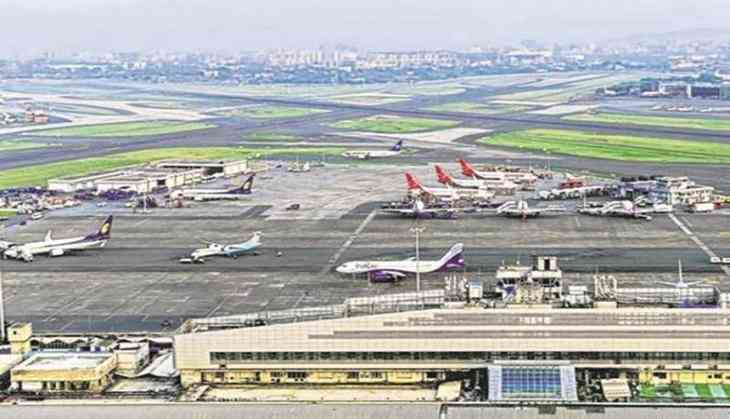
Photo via Google images.
Indian-domiciled airlines operate 562 aircraft of 37 seats or more, with an average age of less than eight years. DGCA rules were recently changed to allow passenger aircraft up to 18 years old to be flown commercially, which points to a relatively low replacement need over the next decade.
Meanwhile, India’s order book comprises 978 aircraft, a 74% increase if no replacements were needed. From a seat capacity perspective, that figure is 73% before replacement demand using assumed operator-specific LOPAs for MAX and neo.
Jet Airways, India’s second largest airline
By Bjorn Fehrm
May 23, 2018, ©. Leeham Co: Jet Airways is India’s second-largest airline after IndiGo and India’s largest Full-Service carrier, transporting 4 million passengers more than AIr India during 2017.
After years of ups and downs, the carrier has re-established growth and profitability over the last year’s operation.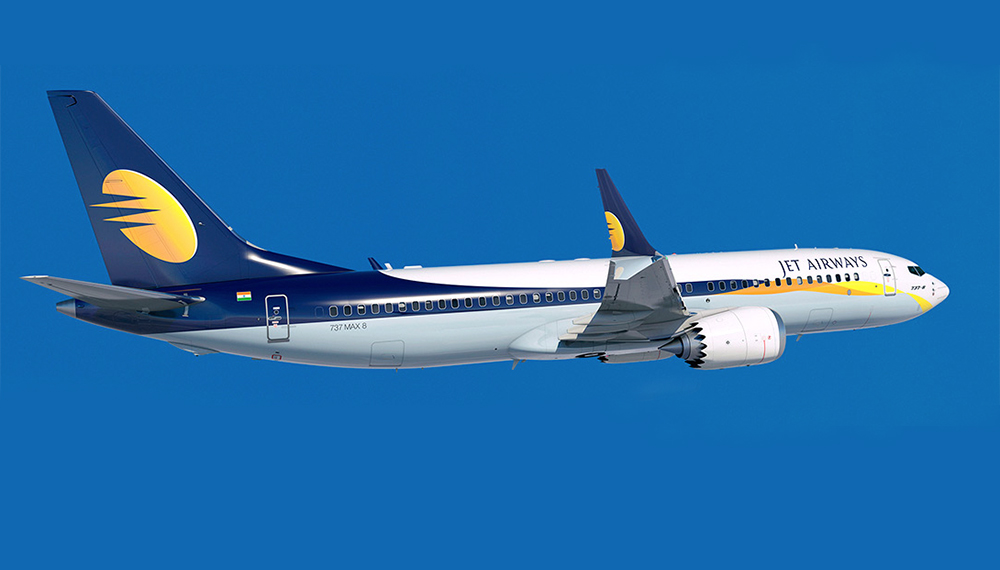
Embraer skyline has serious challenges
Subscription Required
Introduction
May 21, 2018, © Leeham News: As Boeing and Embraer continue merger discussions for the latter’s commercial airplanes unit, the EJet skyline has some serious challenges.
The only order for the E175-E2 is a conditional sale.
 Lessors account for half the orders of the E195-E2 and most of the E190-E2 deals.
More than half the orders for the E190-E1 may be canceled.
The data, from the Airfinance Journal Fleet Tracker, is as of April 15 and doesn’t include options, MOUs or LOIs. The firm order from American Airlines, for 15 E175-E1s, announced after this date, has been added by LNC.
Summary
- Slow sales hamper the backlog.
- The E2 hasn’t taken off as expected.
- The E175-E1 remains the staple of the six-member family.
Read more
Boeing 777-9 or Airbus A350-1000 for the Gulf carriers?
By Bjorn Fehrm
Subscription Required
Introduction
May 17, 2018, © Leeham News: The recent agreement between the US and the Gulf carriers limits the expansion of the carriers on the US market. As the premier long-range destination area from the Gulf is the US market, this will influence the lift needed by the three.
All three carriers, Emirates, Qatar Airways (Qatar) and Etihad, have decided on the 777-9 as the mainstay for their long-haul needs. With the change, the question arises, will Qatar increase the buy of the A350-1000 instead of taking the 777-9 and will any of the others reconsider?
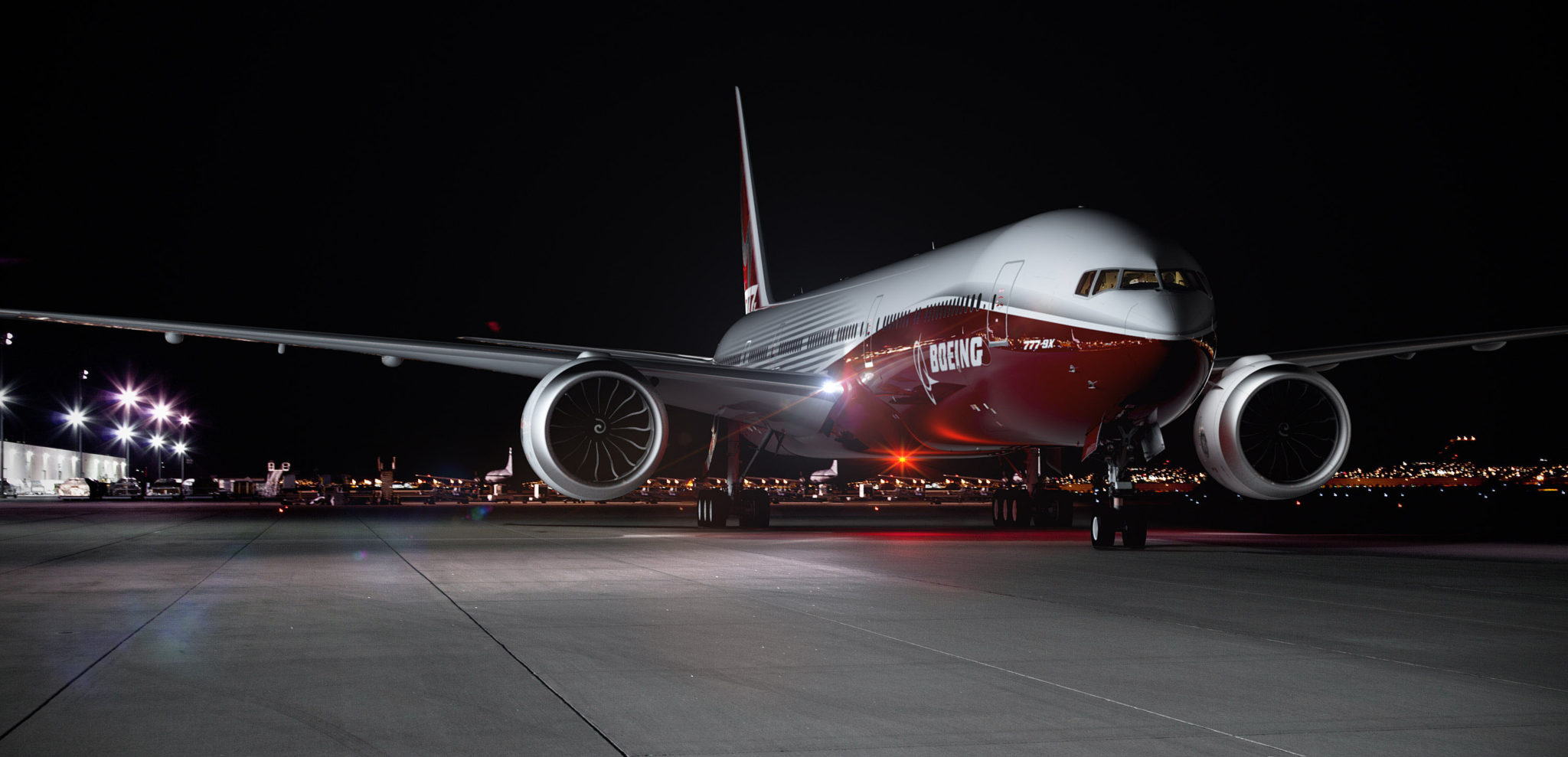 To understand what’s involved we compare the capacity and the costs of the 777-9 and A350-1000. How large is the difference? Is the A350 the better choice if the extreme long-haul capacity needs decline?
Summary:
- The maximum range and per seat costs of the 777-9 and A350-1000 are close when compared apples to apples.
- The advantage for the 777-9 at full aircraft disappears quickly as load factors decline.
- If the needed capacity of the long-haul US routes declines, the 777-9 can be too much aircraft for the Gulf carriers.
Read more
GTF better, says one airline; engine OEMs need 12-18 months to solve issues, says lessor
May 16, 2018, © Leeham News: Pratt & Whitney has a long way to go to fix all its problems on the Geared Turbo Fan engine, but one airline customer says the situation is getting better.
Ted Christie, CFO of Spirit Airlines, said all five A320neos it’s received are now operating. These famously were pictured parked and months at the D/FW International Airport with covers on the engines.
The fuel burn is better than the advertised 15% reduction, Christie said, without specifying how much better. Industry scuttlebutt indicates the GTF is 1%-2% better than advertised.
Christie made his remarks yesterday at the 38th annual Airfinance Journal conference in Miami.
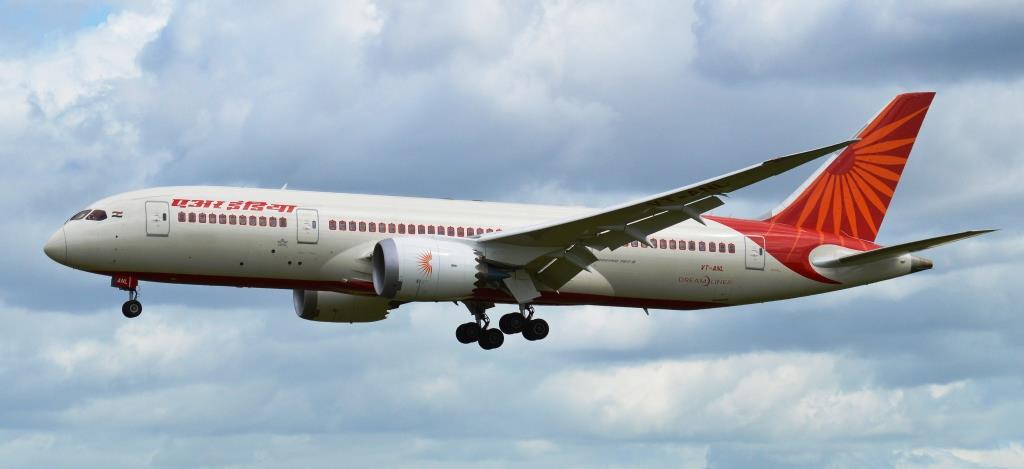
Air India, the struggling flag carrier
By Bjorn Fehrm
May 16, 2018, ©. Leeham Co: Air India was started by the famous Entrepreneur and Pilot, JDR Tata, in 1932 as Tata Airlines. After WW2, it was renamed Air India and was made the flag carrier for India. In 1953 it was nationalized and a domestic carrier, Indian Airlines, was spun off.
Air India and Indian Airlines were both profitable before re-merging in 2007. Since the merger, the combined airline has been unprofitable as deregulation has increased the competitive pressure both Internationally and Domestically.