Leeham News and Analysis
There's more to real news than a news release.


Why is Airbus A330-800 not selling?
By Bjorn Fehrm
Introduction
November 02, 2017, © Leeham Co.: Airbus A330neo flew its first test mission two weeks ago. The test aircraft was the bigger A330-900, the neo version of the A330-300. For the present A330, the sales and delivery of A330-300 (the 290-seater) and the A330-200 (the 246-seater) is almost even, 720 versus 650 (including 70 MRTT and Freighters for the -200). But sales of the -300 in recent years far outpaced the -200, for which sales virtually dried up.
For the A330neo version, the A330-800 is not selling at all. Six aircraft are on order for Hawaiian Airlines while 211 are ordered for the A330-900. Why?
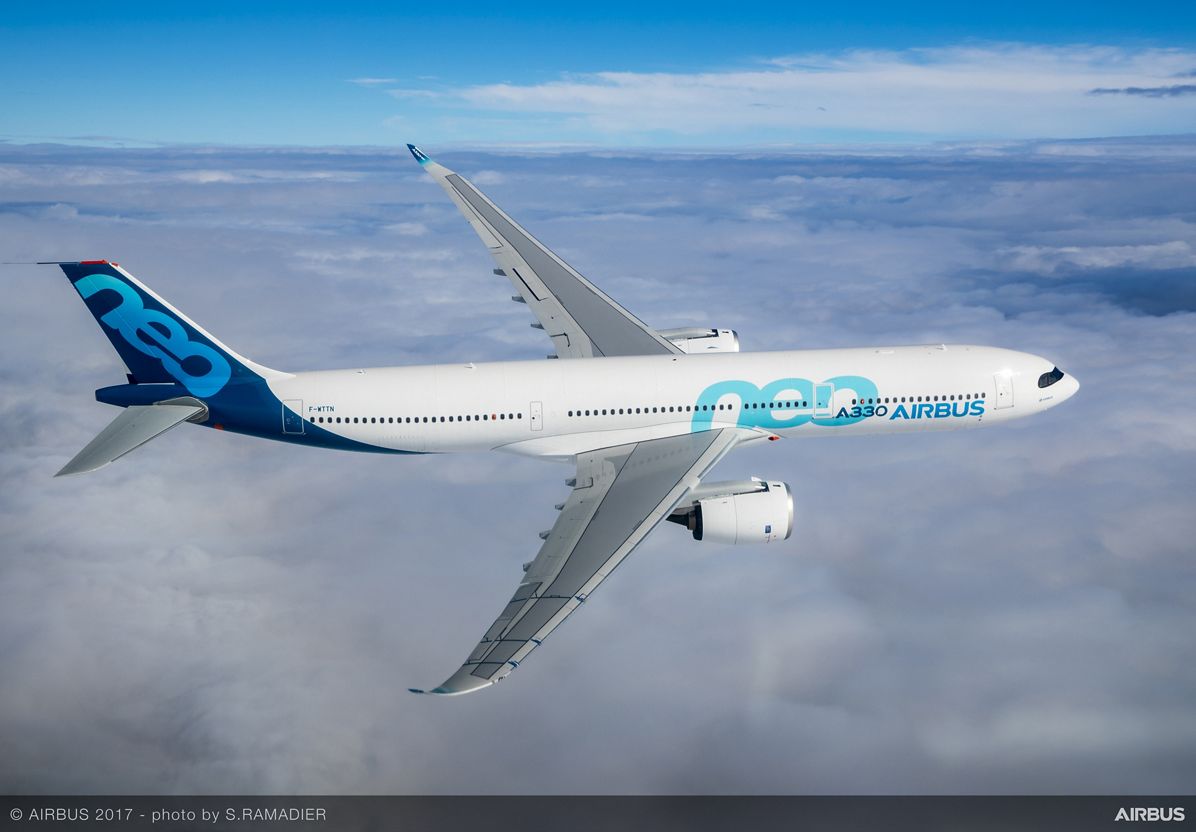
A330-900 during its first flight. Source: Airbus.
We decided to use our performance model to understand why the smaller, longer range A330neo has fallen from grace.
Summary:
- The A330-800 flies longer and with lower fuel burn than the A330-900.
- But the differences are not large. And fuel costs are no longer a dominating cost in the overall cost picture.
- For other costs, the types are too similar. The A330-800 doesn’t have any scale advantages over the A330-900; only range, and the A330-900 is flying longer and longer.
Aviation journalist Ben Sandilands passes

Ben Sandilands
Oct. 31, 2017: Ben Sandilands, the cranky, crusty curmudgeonly writer of Australia’s Plane Talking (Crikey), died Friday after a long illness. He was 73. Cancer was the cause of death.
We only met Sandilands on a couple of occasions but avidly followed his blog for years.
He was controversial in Australia. Sandilands was a long-time critic of the Australian Transportation Safety Board and of Alan Joyce, CEO of Qantas Airways. His persistent criticism won him no friends in officialdom.
But having writing aviation for 60 years, Sandilands had sources through Australian aviation and often wrote penetrating pieces about whatever topic he happened to be pursuing at the time.
Assessing Alaska Air Group’s fleet requirements
Subscription Required
Introduction
Oct. 27, 2017, © Leeham Co.: Alaska Airlines Group (AAG) acquired Virgin America (VA) and with it, Virgin’s exclusive fleet of Airbus A320ceos with orders for A320neos and A321neos.
With Alaska Airlines (AS) being an all Boeing 737 operator, the question immediately arose: what will AAG do with the Virgin fleet.

AAG CEO Brad Tilden strongly hinted the Airbuses will eventually go away. But on earnings calls, officials say they’re studying the matter and there’s plenty of time before they must decide since the first leases don’t begin rolling off until 2019.
Even if AAG decides to consolidate around the 737—an issue still very much in doubt—it won’t be any time soon.
The A320 leases continue to 2024. The leases for the new A321neos go longer: these are 12-year leases and they are non-cancellable. The A321neos will be around at least until 2030.
Singapore airlines increases order for 787-10
By Bjorn Fehrm
Subscription Required
Introduction
Oct. 26, 2017, © Leeham Co.: Singapore airlines increased its order for Boeing’s 787-10 from 20 to 39 this week. The first aircraft for the airline rolled off the assembly earlier this month. It will now be prepared for delivery, flying out to Singapore on the new year.
The 787-10 is essentially a 787-9 which can take more passengers. By it, the cost per passenger goes down.
How much better? By comparing with the closest competitor, Airbus A350-900, we can learn by how much.
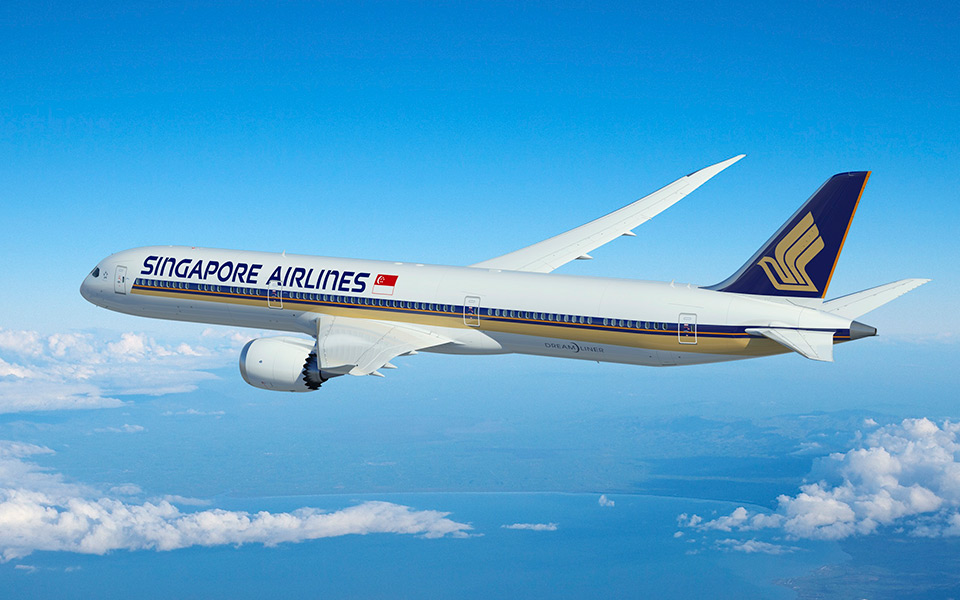
We will use our performance model to compare the aircraft. It’s a bit apples and oranges, because the A350-900 is a long-range airliner with 8,000nm range, and the 787-10 sacrifices the range of the -9 variant to carry more passengers.
But it’s interesting to see how this sacrifice pays off in efficiency on the type of routes the 787-10 was designed for.
Summary:
- The 787-10 is optimized to carry 330 passengers out to 6,400nm. It does this with a well-packaged fuselage and the wing of the smaller 787-9.
- The A350-900 is larger. It has a larger wing, to fly longer. And its fuselage diameter brings more passenger comfort, especially in economy.
- With both built with weight-saving carbon fiber technology, it’s not surprising the 787-10 is lighter, despite holding a row more of passengers.
- Weight and size always cost fuel. The difference in fuel burn is consistent with the difference in aircraft capabilities.
What has Airbus got in the CSeries?
By Bjorn Fehrm
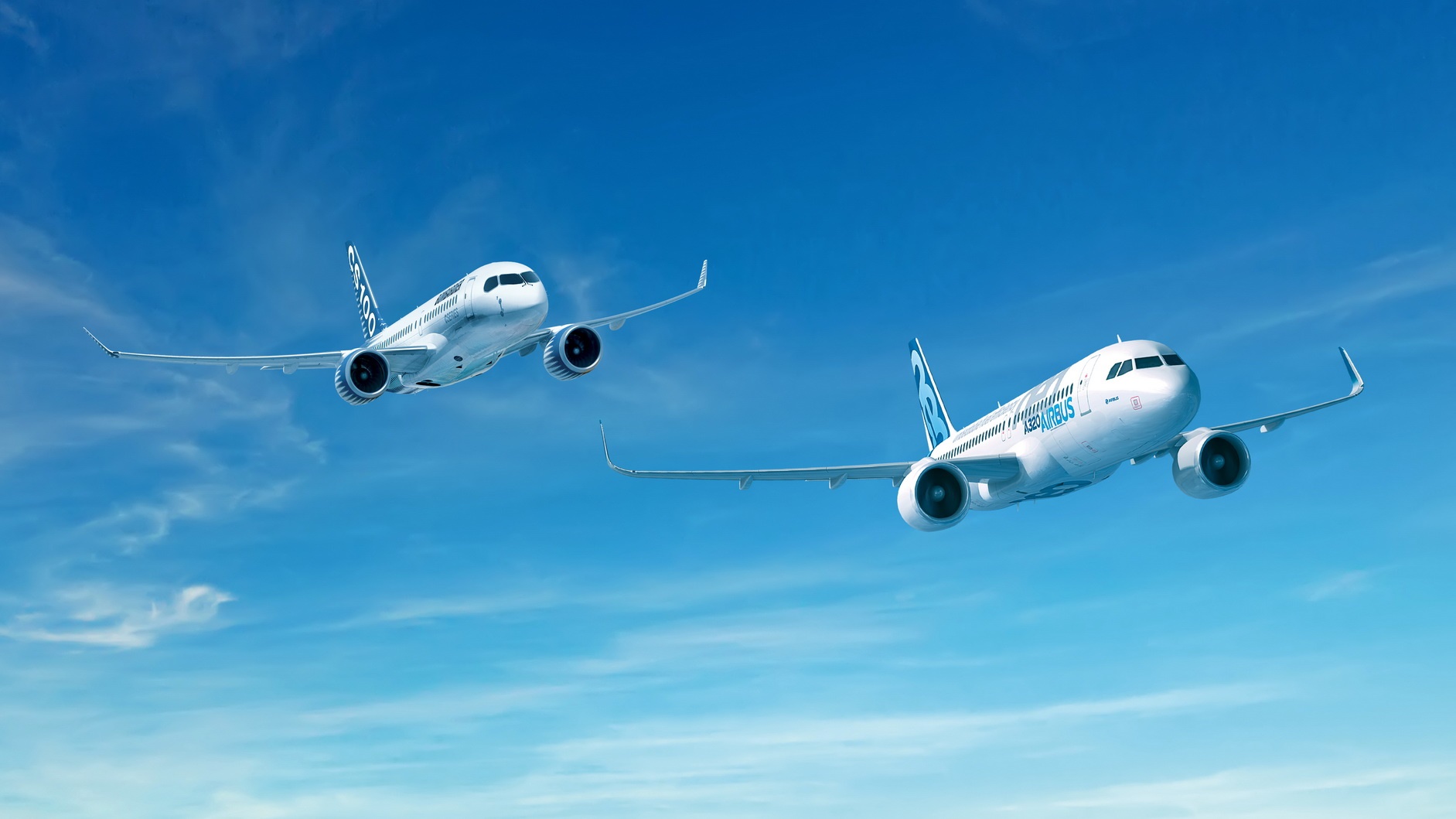
October 18, 2017, ©. Leeham Co: Bombardier and Airbus changed the airliner landscape yesterday. Analysts say it’s the largest industry change since Boeing bought McDonnell Douglas in 1997.
So, what has Airbus bought for no money? A me-too, or a world-beater?
Assessing the Airbus-Bombardier deal
Oct. 17, 2017, © Leeham Co.: The Airbus-Bombardier transaction announced yesterday has implications well beyond the United States, which has been much of the focus of analysis post-announcement.
The analysis focused on the US is natural, given the Boeing trade complaint involving the CSeries sale to Delta Air Lines.
But it’s important to step back to see what this means for CSeries.
Airbus-Bombardier CSeries deal means no tariffs on US-assembled aircraft, says CEO
Oct. 16, 2017, © Leeham Co.: The stunning Airbus-Bombardier partnership for the CSeries program guarantees the future of the new airplane, kills off the A319 and thrusts a big stick up Boeing’s tailpipe.
Boeing won big victories in its trade complaint filed with the US government, winning 300% tariffs on every CSeries imported into the US, throwing into doubt a big deal with Delta Air Lines for up to 125 aircraft.
Trump decertifies Iran nuke deal, throws Airbus, Boeing orders in doubt
Subscription Required
Introduction
Oct. 16, 2017, © Leeham Co.: President Donald Trump announced Friday he will decertify the Iran nuclear deal, throwing into doubt a host of related commercial deals, including huge aircraft orders.

Iran Air Airbus A330. Photo via Google.
Trump hasn’t gone so far as to withdraw from the pact, but he still threatens to do so unless Congress makes changes he wants.
Here in the US, focus is, of course, on the commitment by Iran for Boeing aircraft—none of which are firm contracts, but “commitments” to order.
Of less focus here, if any, is on the outstanding orders placed by Iran for Airbus and ATR aircraft, which are subject to US licensing.
Summary
- 30 Boeing 777s, including 15 Classics are at stake.
- 50 Boeing 737 MAXes to Iran Air and 30 to Iran Asesman are also at stake.
- ATR has 11 aircraft scheduled for delivery in 2018.
- Airbus sold 114 A320s/321s, A330s and A350s to Iran Air. A few white tails already have been delivered.
Shakeout for Europe’s low-cost airlines
By Bjorn Fehrm
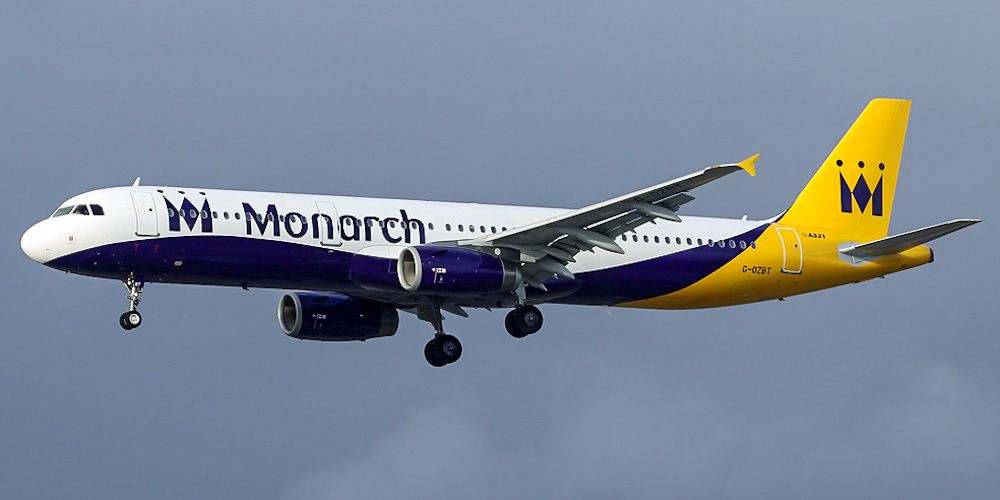
October 11, 2016, ©. Leeham Co: Alitalia, Air Berlin and now Monarch have all filed for insolvency since the start of 2017. These are all airlines with an emphasis on low cost flying, with an important leisure part. Alitalia and Air Berlin had histories as network carriers, which hasn’t helped.
What happened in summary; When the European low-cost market got rough, their cost levels weren’t tough enough.