
Leeham News and Analysis
There's more to real news than a news release.


Air Berlin files for bankruptcy
By Bjorn Fehrm
August 16, 2017, ©. Leeham Co: Air Berlin, Germany’s second largest airline, with 85 destinations, 8,000 employees and 72 aircraft, filed for bankruptcy yesterday.
We wrote about Air Berlin’s problems in October last year and we’ve covered its part owner, partner and moneylender, Etihad Airways, in articles this year.
It was the latter that no longer believed in Air Berlin’s turnaround plan and stopped the money flow.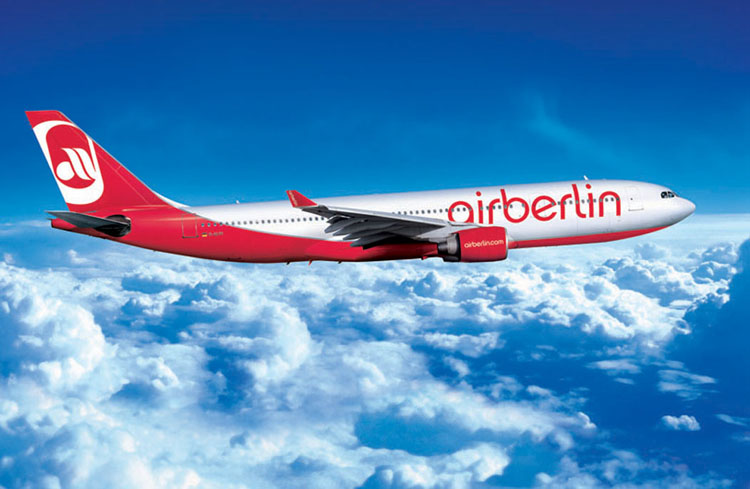
Small airlines face replacement challenges
Aug. 15, 2017, © Leeham Co.: Small airlines face continuous challenges about acquiring modern aircraft at prices they can afford.
There was once a number of manufacturers producing small airliners. British Aerospace (BAe) produced the 19-seat Jetstream and Beech the 19-seat 1900. Saab built the 340 and later the 2000. BAe tried to update the old Hawker Siddeley 748 with the ATP, Advanced Turbo Prop. Fokker upgraded the F-27 to the F-50. Embraer got its start with the small Bandierante and really hit the mark with the Brasilia.
Bombardier produced the Dash-8 40-seat turboprop in competition with ATR’s ATR-42 and both compete with a 70-90 seat turboprop. BBD dropped its Dash 8 and barely holds on with the Q400. ATR is the dominant player now. (China produces a turboprop, but it’s mostly a captive-market airplane.)
BAE, Saab and Beech exited the commuter airplane business. Fokker went out of business. Embraer moved to jets.
This leaves smaller, independent regional and commuter airlines in a real bind. There are simply no replacements for the 19- to 30-seat airliner, save one: the Viking Twin Otter. More about this below.
CSeries starts operations from London City Airport
By Bjorn Fehrm
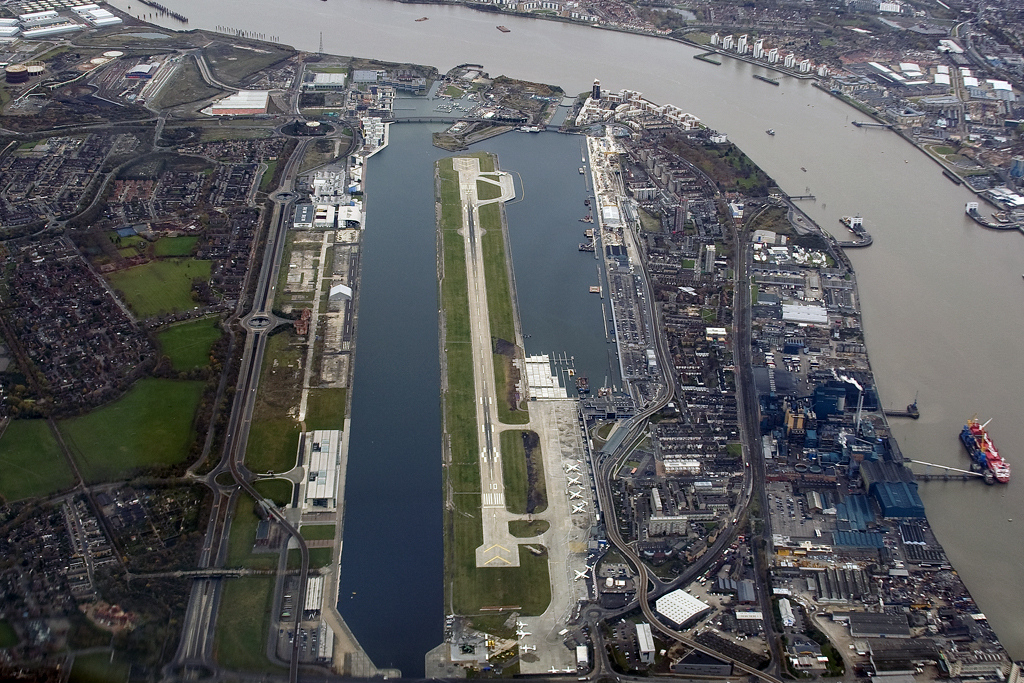
August 09, 2017, © Leeham Co.: Bombardier (BBD) CSeries has done its first revenue flight to London City Airport. It was a scheduled Swiss International Airlines (SWISS) flight from Zurich that landed on the airport yesterday.
With the CSeries operational from London City, the route network that can be flown from the downtown airport changes significantly. Europe out to Moscow or Las Palmas is accessible and an all business class CS100 could fly direct to New York.
Delta asks Commerce to redefine scope of Boeing-Bombardier case
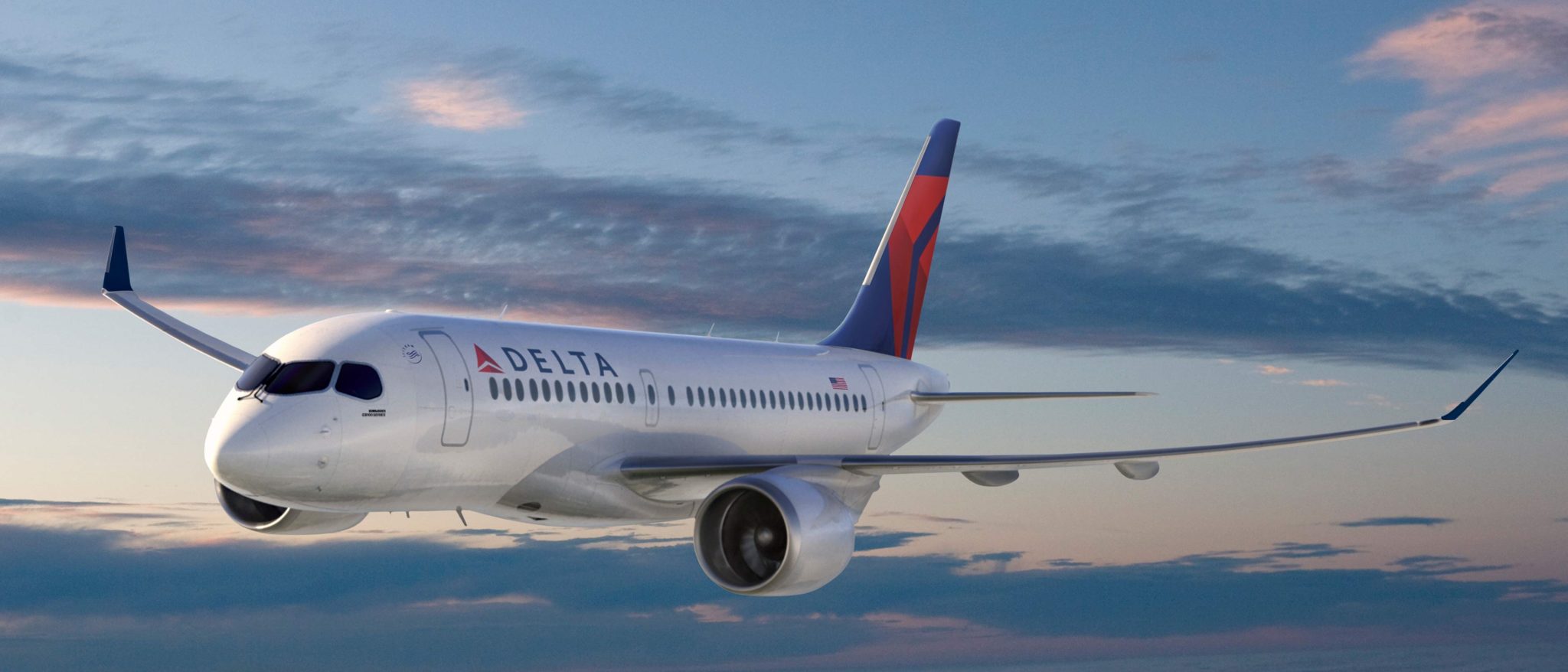
Bombardier CS100.
Aug. 8, 2017, © Leeham Co.: Delta Air Lines asked the US Department of Commerce to redefine the scope of the Boeing complaint of Bombardier price dumping in its CS100 order with the carrier, filings at DOC show.
Delta asked the DOC to redefine the aircraft definition from 100-150 seat to 125-150 seats, arguing that Boeing doesn’t make in airplane in the 100-125 seat size and therefore isn’t harmed by competition in the sale of the 110-seat CS100 that Delta ordered.
Key lessors see strong wide-body market despite worries
Subscription Required
Introduction
Aug. 7, 2017, © Leeham Co.: Amid talk that Middle Eastern airlines, which are the largest group of users for wide-body aircraft, may defer Airbus and Boeing airplanes, there are conflicting signs that the bleak view of the sector isn’t as weak as perceived.
Just last week, two big lessors—Air Lease Corp and AerCap–of widebody airplanes said they are confident in the sector.
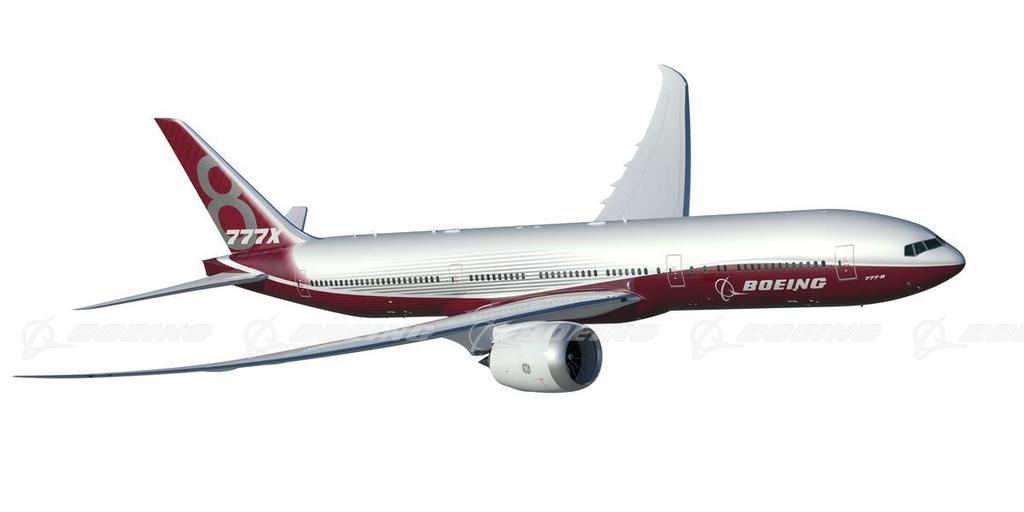
Few orders have been received for the Boeing 777-8 ultra-long range airplane. Sales for its larger sibling, the 777-9, have stalled. Along with the Airbus A380 and Boeing 747-8, demand is seen as limited.
AerCap ordered 30 Boeing 787s at the Paris Air Show. ALC has a significant order of Airbus A330neos.
And, the chairman of Emirates Airline said in an interview with the region’s The National newspaper that despite the current challenges at the carrier, it expects to announce an order before the end of the year for either the 787 or the Airbus A350—and possibly the Airbus A380.
Quantities on the former weren’t discussed. Airbus is pitching 20 A380s, according to accounts.
Still, there are a large number of Boeing 777s and Airbus A330s coming off lease in the next few years that could slow orders if these aircraft are offered on the secondary market with low enough lease rates.
Summary
- Air Lease Corp.’s wide-body aircraft are placed. A330neo orders late due to engine delays.
- AerCap sees strong wide-body market, reaffirmed with 787-9 order.
- More than 100 A330ceos and 777 Classics potentially entering secondary market soon.
Etihad clears the decks
By Bjorn Fehrm
August 2, 2017, ©. Leeham Co: “Etihad, where to now?” was our headline on our May review of the Gulf airline. The 2016 revenue and earnings were not clear at the time.
Etihad group has now released the results, with a group loss of $1.9bn on revenues of $8.4bn. This is a shortfall of almost a quarter of the turnover, a dramatic change from a profit of $259m the year before.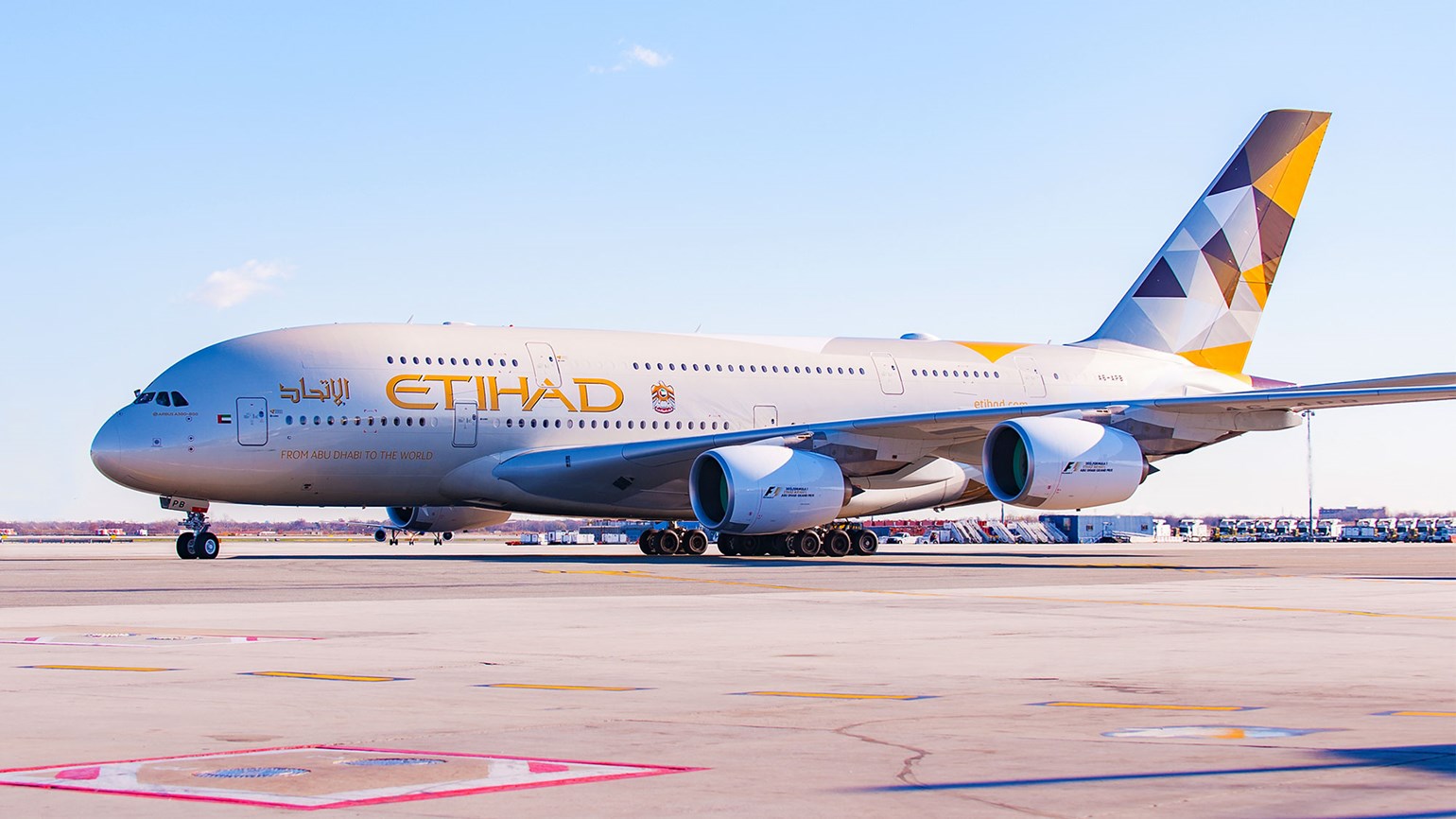 . Read more
Mid-year production update at Airbus
July 27, 2017, © Leeham Co.: It’s mid-way through 2017 and LNC is taking its second look at production and delivery stream flows for the Big Four airframe manufacturers.
We examined Boeing Monday in advance of its earnings call Wednesday. Today we look at Airbus in advance of its earnings call today. We look at Bombardier and Embraer next Monday.
We use the Airfinance Journal Fleet Tracker as the basis for our exam.
Caution overhangs 777X program-(Update)
Update: This story is corrected.
July 21, 2017, © Leeham Co.: Lufthansa Airlines’ indications that it may reduce the order for 20 Boeing 777-9s underscores caution with which the program should be viewed.
Emirates Airline already rescheduled its first deliveries from 2020 to 2021.
The largest customer for the 777X, with 150 orders, EK is now pressured with falling profits, excess capacity and it’s one of three Gulf airlines under attack by the Big Three US carriers for alleged violations of Open Skies pacts.
Is Norwegian in trouble? Part 2
By Bjorn Fehrm
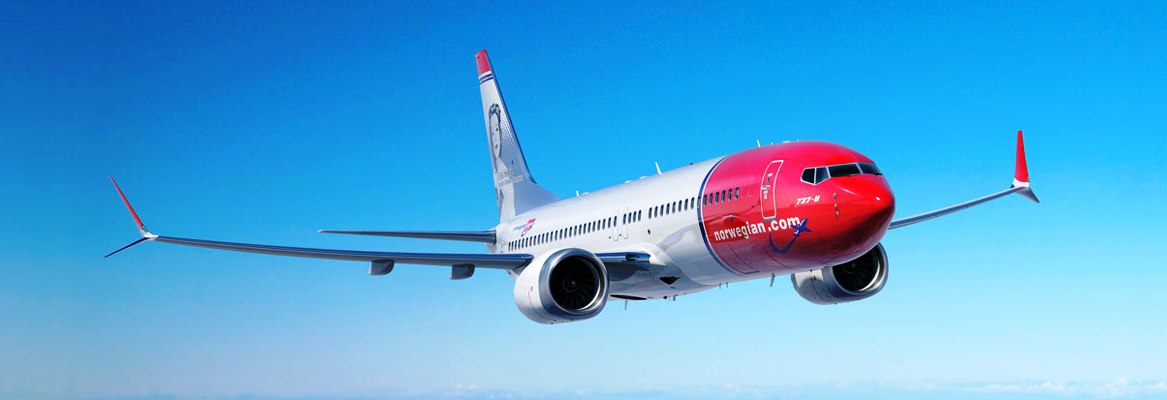
July 19, 2017, © Leeham Co.: Last week we raised the question if Norwegian Air Shuttle was in trouble. The CFO, Frode Foss, left a few days earlier. Analysts were worried and the stock dived 8%.
Last Friday, the airline presented its 2Q2017 result. An optimistic report. New destinations, increasing revenue and a profit of NOK 861m ($107m). But the stock tanked further, now down 11%. What’s behind the increased worry?
Boeing’s tactical option for MOM sector
Subscription RequiredIntroduction
Aug. 14, 2017, © Leeham Co.: It’s not a done deal yet—the business for the so-called Boeing 797 remains a challenge. But the consensus is that Boeing will launch the program next year, for an entry-into-service around 2025.
Boeing 797 concept. Source: Boeing.
Yet there are airlines that say they don’t want to wait that long for a new airplane.
What are their choices?
Read more
7 Comments
Posted on August 14, 2017 by Scott Hamilton
air force tanker, Airbus, Airlines, American Airlines, Boeing, Bombardier, CFM, Delta Air Lines, GE Aviation, Leasing, Leeham News and Comment, Middle of the Market, MOM, Pratt & Whitney, United Airlines, US Airways
737-10, 737-9, 757, 767-200ER, 767-300ER, 777, 777-300ER, 797, A330-200, A330-800, Airbus, airlines, American Airlines, Boeing, Delta Air Lines, Japan Air Lines, Middle of the Market, MOM, New Midrange Aircraft, NMA, United Airlines